Catholic Charismatic Renewal
Catholic Charismatic Renewal[edit]
The Catholic Charismatic Renewal is a movement within the Roman Catholic Church that emphasizes the availability of the power and gifts of the Holy Spirit in the life of every believer. It is part of the larger Charismatic Movement that began in the 20th century and has influenced many Christian denominations.
History[edit]
The Catholic Charismatic Renewal began in 1967 at Duquesne University in Pittsburgh, Pennsylvania, when a group of students and faculty experienced what they described as a "baptism in the Holy Spirit" during a retreat. This event is often referred to as the "Duquesne Weekend" and is considered the beginning of the movement within the Catholic Church.
Following the Duquesne Weekend, the movement spread rapidly to other universities and parishes, leading to the formation of prayer groups and communities dedicated to charismatic worship and spiritual renewal.
Beliefs and Practices[edit]
The Catholic Charismatic Renewal emphasizes several key beliefs and practices:
- Baptism in the Holy Spirit: A personal experience of the Holy Spirit's presence and power, often accompanied by speaking in tongues, prophecy, and other charismatic gifts.
- Charismatic Gifts: The movement encourages the use of spiritual gifts such as healing, prophecy, and discernment, as described in the New Testament.
- Praise and Worship: Charismatic worship often includes contemporary music, spontaneous prayer, and expressive forms of praise.
- Community and Fellowship: Many participants form or join prayer groups and communities to support one another in their spiritual growth.
Relationship with the Catholic Church[edit]
The Catholic Charismatic Renewal is recognized by the Vatican and has received support from several popes, including Pope Paul VI, Pope John Paul II, and Pope Francis. The movement is seen as a legitimate expression of Catholic spirituality, and its emphasis on the Holy Spirit is viewed as a complement to traditional Catholic teachings and practices.
In 1993, the Pontifical Council for the Laity established the International Catholic Charismatic Renewal Services (ICCRS) to coordinate and support the movement worldwide.
Criticisms and Challenges[edit]
Despite its growth and acceptance, the Catholic Charismatic Renewal has faced criticism and challenges:
- Some traditional Catholics have expressed concern about the movement's emphasis on emotional experiences and its potential to deviate from established liturgical norms.
- There have been debates about the theological implications of charismatic gifts and their role in the life of the Church.
Influence and Legacy[edit]
The Catholic Charismatic Renewal has had a significant impact on the Catholic Church, contributing to a renewed interest in the Holy Spirit and the development of new forms of worship and community life. It has also fostered ecumenical dialogue with other Christian denominations involved in the Charismatic Movement.
See Also[edit]
References[edit]
- "The Catholic Charismatic Renewal: A Current of Grace" by the International Catholic Charismatic Renewal Services.
- "Theological Reflections on the Charismatic Renewal" by the Pontifical Council for the Laity.
External Links[edit]
-
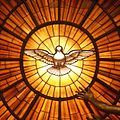 Catholic Charismatic Renewal
 -
 Catholic Charismatic Renewal
 -
 Catholic Charismatic Renewal
 -
 Catholic Charismatic Renewal


Ad. Transform your life with W8MD's
GLP-1 weight loss injections special from $29.99 with insurance
|
WikiMD Medical Encyclopedia |
Medical Disclaimer: WikiMD is for informational purposes only and is not a substitute for professional medical advice. Content may be inaccurate or outdated and should not be used for diagnosis or treatment. Always consult your healthcare provider for medical decisions. Verify information with trusted sources such as CDC.gov and NIH.gov. By using this site, you agree that WikiMD is not liable for any outcomes related to its content. See full disclaimer.
Credits:Most images are courtesy of Wikimedia commons, and templates, categories Wikipedia, licensed under CC BY SA or similar.
Translate this page: - East Asian
中文,
日本,
한국어,
South Asian
हिन्दी,
தமிழ்,
తెలుగు,
Urdu,
ಕನ್ನಡ,
Southeast Asian
Indonesian,
Vietnamese,
Thai,
မြန်မာဘာသာ,
বাংলা
European
español,
Deutsch,
français,
Greek,
português do Brasil,
polski,
română,
русский,
Nederlands,
norsk,
svenska,
suomi,
Italian
Middle Eastern & African
عربى,
Turkish,
Persian,
Hebrew,
Afrikaans,
isiZulu,
Kiswahili,
Other
Bulgarian,
Hungarian,
Czech,
Swedish,
മലയാളം,
मराठी,
ਪੰਜਾਬੀ,
ગુજરાતી,
Portuguese,
Ukrainian
