Binangkal
Binangkal is a type of doughnut originating from the Philippines. It is a popular traditional Filipino snack and is often enjoyed with a cup of hot coffee or tea. Binangkal is characterized by its round shape, similar to a small ball, and its crunchy sesame seed coating.
History[edit]
The exact origins of Binangkal are unclear, but it is believed to have been influenced by Chinese culinary traditions, particularly the use of sesame seeds. It is a common snack in the Visayas region of the Philippines, particularly in Cebu.
Preparation[edit]
Binangkal is made from basic doughnut ingredients such as flour, sugar, baking powder, and water. The dough is mixed until it forms a smooth consistency, then rolled into small balls. Each ball is then coated in sesame seeds before being deep-fried until golden brown. The result is a crunchy exterior with a soft, sweet interior.
Consumption[edit]
Binangkal is typically consumed as a mid-morning or mid-afternoon snack, known as merienda in the Philippines. It is often paired with a hot beverage, such as coffee or tea. Despite its simplicity, Binangkal is beloved for its unique texture and flavor.
Cultural Significance[edit]
Binangkal is more than just a snack in the Philippines. It is a part of the country's rich culinary heritage and is often associated with fond childhood memories. It is also commonly sold in local bakeries and street food stalls, making it a familiar sight in Filipino communities.
See Also[edit]

This doughnut-related article is a stub. You can help WikiMD by expanding it.

Binangkal[edit]
-
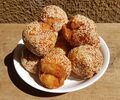 Binangkal
.jpg)

Medical Disclaimer: WikiMD is for informational purposes only and is not a substitute for professional medical advice. Content may be inaccurate or outdated and should not be used for diagnosis or treatment. Always consult your healthcare provider for medical decisions. Verify information with trusted sources such as CDC.gov and NIH.gov. By using this site, you agree that WikiMD is not liable for any outcomes related to its content. See full disclaimer.
Credits:Most images are courtesy of Wikimedia commons, and templates, categories Wikipedia, licensed under CC BY SA or similar.
Translate page: - East Asian
中文,
日本,
한국어,
South Asian
हिन्दी,
தமிழ்,
తెలుగు,
Urdu,
ಕನ್ನಡ,
Southeast Asian
Indonesian,
Vietnamese,
Thai,
မြန်မာဘာသာ,
বাংলা
European
español,
Deutsch,
français,
Greek,
português do Brasil,
polski,
română,
русский,
Nederlands,
norsk,
svenska,
suomi,
Italian
Middle Eastern & African
عربى,
Turkish,
Persian,
Hebrew,
Afrikaans,
isiZulu,
Kiswahili,
Other
Bulgarian,
Hungarian,
Czech,
Swedish,
മലയാളം,
मराठी,
ਪੰਜਾਬੀ,
ગુજરાતી,
Portuguese,
Ukrainian

