Biblical Magi
| Part of a series on |
| Christianity |
|---|
 |

The Biblical Magi also known as Three Wise Men or Three Kings, were, in the Gospel of Matthew and Christian tradition, distinguished foreigners who visited Jesus after his birth, bearing gifts of gold, frankincense, and myrrh. They are regular figures in traditional accounts of the nativity celebrations of Christmas and are an important part of Christian tradition.
Origin[edit]
The word Magi is a term, used since at least the 4th century BC, for followers of Zoroastrianism or Zoroaster. The Magi are described as "wise men from the East" in the Gospel of Matthew and are traditionally said to have visited Jesus after his birth.
Gifts[edit]
The Magi are popularly referred to as wise men and kings. The word magi is the plural of Latin magus, borrowed from Greek μάγος magos, as used in the original Greek text of the Gospel of Matthew (in the plural: μάγοι). The gifts of the Magi (gold, frankincense, and myrrh) are somewhat mysterious in their symbolism. Gold is a traditional symbol of kingship on earth, frankincense (an incense) is a symbol of deity, and myrrh (an embalming oil) is a symbol of death.
In Christian Tradition[edit]
In Western Christianity, the feast that commemorates the visit of the Magi, Epiphany, is celebrated on January 6. In these churches, the day begins the liturgical season of Epiphanytide, which lasts until Ash Wednesday.
In Art and Music[edit]
The Biblical Magi have been a popular subject in Christian art and music. They have been depicted in numerous works of art, such as paintings and sculptures, and their journey to visit the Christ Child has been the theme of many traditional Christmas carols.
See Also[edit]
 | This Christianity-related article is a stub. You can help WikiMD by expanding the page. |
-
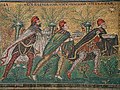 Magi (1)
 -
 Biblical Magi stained glass window, ca. 1896, Church of the Good Shepherd (Rosemont, Pennsylvania)
 -
 Adorazione dei Magi - sec III dC
 -
 The three Magi (Balthasar, Caspar, Melchior)
 -
 The Magi Journeying (Les rois mages en voyage) - James Tissot
 -
 Three kings
 -
 Caspar by Jan van Bijlert
 -
 Gold Coin of Heiliodotos
 -
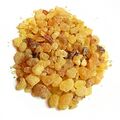 Olibanum resin
 -
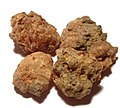 Commiphora myrrha resin myrrh
.jpg)
.jpg)

.jpg)
_-_James_Tissot_-_overall.jpg)


Medical Disclaimer: WikiMD is for informational purposes only and is not a substitute for professional medical advice. Content may be inaccurate or outdated and should not be used for diagnosis or treatment. Always consult your healthcare provider for medical decisions. Verify information with trusted sources such as CDC.gov and NIH.gov. By using this site, you agree that WikiMD is not liable for any outcomes related to its content. See full disclaimer.
Credits:Most images are courtesy of Wikimedia commons, and templates, categories Wikipedia, licensed under CC BY SA or similar.
Translate page: - East Asian
中文,
日本,
한국어,
South Asian
हिन्दी,
தமிழ்,
తెలుగు,
Urdu,
ಕನ್ನಡ,
Southeast Asian
Indonesian,
Vietnamese,
Thai,
မြန်မာဘာသာ,
বাংলা
European
español,
Deutsch,
français,
Greek,
português do Brasil,
polski,
română,
русский,
Nederlands,
norsk,
svenska,
suomi,
Italian
Middle Eastern & African
عربى,
Turkish,
Persian,
Hebrew,
Afrikaans,
isiZulu,
Kiswahili,
Other
Bulgarian,
Hungarian,
Czech,
Swedish,
മലയാളം,
मराठी,
ਪੰਜਾਬੀ,
ગુજરાતી,
Portuguese,
Ukrainian

