Bacterial therapy
Bacterial therapy, also known as Bacteriotherapy, is a medical treatment method that utilizes beneficial bacteria to treat or prevent diseases. This therapeutic approach is based on the concept of microbial ecosystem balance within the human body.
Overview[edit]
Bacterial therapy is a form of biological therapy that uses living organisms, in this case, bacteria, to treat or prevent diseases. The therapy is designed to restore the balance of the human microbiota, the community of microorganisms that live in and on our bodies.
Mechanism of Action[edit]
The mechanism of action in bacterial therapy involves the introduction of beneficial bacteria into the body to compete with harmful bacteria. These beneficial bacteria can inhibit the growth of pathogenic bacteria by competing for nutrients and attachment sites, producing antibacterial substances, and stimulating the immune system.
Applications[edit]
Bacterial therapy has been used in the treatment of various diseases and conditions, including gastrointestinal disorders, skin disorders, and urinary tract infections. The most common form of bacterial therapy is the use of probiotics, which are live bacteria and yeasts that are good for health, especially the digestive system.
Future Directions[edit]
Research is ongoing to explore the potential of bacterial therapy in treating other diseases, such as cancer, obesity, and mental health disorders. The development of next-generation probiotics and fecal microbiota transplants are among the promising advancements in this field.
See Also[edit]
References[edit]

-
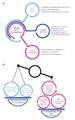 Considerations for the design of engineered live bacterial therapeutics
 -
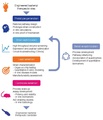 Strategy for the development of engineered live bacterial therapeutic clinical candidates
 -
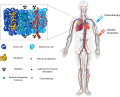 Schematic of therapeutic bacteria strategies against hypoxic tumors
 -
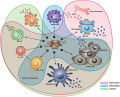 Mechanisms by which bacteria target tumors
 -
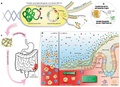 Probiotic-associated therapeutic curli hybrids (PATCH)
 -
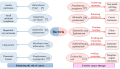 Bacteria involved in causing and treating cancers


Sponsored Health Resource

W8MD Weight Loss, Sleep & MedSpa
Looking for physician-supervised weight loss, semaglutide, tirzepatide, or GLP-1 receptor agonist options? W8MD helps eligible patients in New York City, Brooklyn, New Jersey, Connecticut, Pennsylvania, Delaware, and greater Philadelphia with medical weight loss, sleep medicine, and long-term maintenance support.
GLP-1 specials: Affordable GLP-1 injections NYC and Philadelphia starting from $29.99/week and up for semaglutide with insurance accepted for qualifying visits, and $45/week and up for tirzepatide with insurance accepted for qualifying visits. Self-pay options start from $59.99/week and up for semaglutide and $69.99/week and up for tirzepatide.
Medical weight loss NYC | Affordable GLP-1 injections NYC | Budget GLP-1 weight loss shots Philadelphia | New Jersey medical weight loss | NYC medical weight loss | Philadelphia medical weight loss | Sleep clinic NYC | W8MD's Philadelphia GLP-1 doctor | Weight loss prescriptions NYC
Book a W8MD appointment · View GLP-1 specials
Paid promotional message. Eligibility, pricing, insurance coverage, medication availability, and results vary. Medical evaluation required.

Medical Disclaimer: WikiMD is for informational purposes only and is not a substitute for professional medical advice. Content may be inaccurate or outdated and should not be used for diagnosis or treatment. Always consult your healthcare provider for medical decisions. Verify information with trusted sources such as CDC.gov and NIH.gov. By using this site, you agree that WikiMD is not liable for any outcomes related to its content. See full disclaimer.
Credits:Most images are courtesy of Wikimedia commons, and templates, categories Wikipedia, licensed under CC BY SA or similar.
Translate page: - East Asian
中文,
日本,
한국어,
South Asian
हिन्दी,
தமிழ்,
తెలుగు,
Urdu,
ಕನ್ನಡ,
Southeast Asian
Indonesian,
Vietnamese,
Thai,
မြန်မာဘာသာ,
বাংলা
European
español,
Deutsch,
français,
Greek,
português do Brasil,
polski,
română,
русский,
Nederlands,
norsk,
svenska,
suomi,
Italian
Middle Eastern & African
عربى,
Turkish,
Persian,
Hebrew,
Afrikaans,
isiZulu,
Kiswahili,
Other
Bulgarian,
Hungarian,
Czech,
Swedish,
മലയാളം,
मराठी,
ਪੰਜਾਬੀ,
ગુજરાતી,
Portuguese,
Ukrainian

