Animal feed
Animal Feed is a critical component in the field of agriculture and animal husbandry that pertains to the food given to domestic animals, especially livestock, in the course of animal farming. The composition of animal feed varies depending on the specific requirements of the species and the stage of life of the animal. The primary goal of animal feed is to increase the production of meat, milk, eggs, and other animal products for human consumption.
Types of Animal Feed[edit]
Animal feed can be broadly classified into two categories: Forage and Concentrate.
Forage[edit]
Forage includes plant material that animals consume. It is mainly composed of grass, legumes, silage, and hay. Forage is rich in fiber and is primarily used to feed ruminant animals like cows, goats, and sheep.
Concentrate[edit]
Concentrate feed is rich in energy and nutrients, including grains, oilseeds, and by-products of the milling and brewing process. It is used to supplement the diet of animals, especially non-ruminants like pigs and poultry, to accelerate their growth and production.
Nutritional Components[edit]
Animal feed comprises various nutritional components essential for the growth and health of animals. These include:
- Proteins: Essential for growth, repair, and maintenance of body tissues.
- Carbohydrates: Provide energy for daily activities and metabolic processes.
- Fats: A concentrated source of energy, also important for the absorption of certain vitamins.
- Vitamins: Required in small quantities for various physiological functions.
- Minerals: Essential for bone formation, nerve function, and the regulation of cellular metabolism.
Regulation and Quality Control[edit]
The quality and safety of animal feed are regulated by various national and international agencies to ensure that the feed is free from contaminants and is nutritionally adequate. In the United States, the Food and Drug Administration (FDA) oversees animal feed regulations. Similarly, the European Union has comprehensive regulations under the European Feed Manufacturers' Federation (FEFAC).
Environmental Impact[edit]
The production and consumption of animal feed have significant environmental impacts, including land degradation, water pollution, and greenhouse gas emissions. Sustainable practices, such as the use of by-products and the development of alternative feed sources like insects and algae, are being explored to mitigate these impacts.
Future Trends[edit]
The future of animal feed lies in the innovation of sustainable and efficient feed sources. Advances in biotechnology, including genetically modified organisms (GMOs) and precision fermentation, hold promise for producing high-quality feed with reduced environmental footprints. Additionally, the integration of information technology in feed formulation and distribution is set to revolutionize the animal feed industry.
 | This agriculture article is a stub. You can help WikiMD by expanding the page. |
Animal_feed[edit]
-
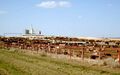 Cattle in a feedlot
 -
 Horses eating hay
 -
 Bush-based animal feed
 -
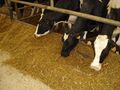 Cows eating Total Mixed Ration (TMR)
 -
 Maasai man with cattle


Advertise on WikiMD — 81,000+ full articles, ~900,000 total pages, ~250 million page views. Global reach, limited time promotional rates from $1/page/day. Learn more · View stats

Translate page: - East Asian
中文,
日本,
한국어,
South Asian
हिन्दी,
தமிழ்,
తెలుగు,
Urdu,
ಕನ್ನಡ,
Southeast Asian
Indonesian,
Vietnamese,
Thai,
မြန်မာဘာသာ,
বাংলা
European
español,
Deutsch,
français,
Greek,
português do Brasil,
polski,
română,
русский,
Nederlands,
norsk,
svenska,
suomi,
Italian
Middle Eastern & African
عربى,
Turkish,
Persian,
Hebrew,
Afrikaans,
isiZulu,
Kiswahili,
Other
Bulgarian,
Hungarian,
Czech,
Swedish,
മലയാളം,
मराठी,
ਪੰਜਾਬੀ,
ગુજરાતી,
Portuguese,
Ukrainian
About WikiMD • Contact • Disclaimer • Privacy • Copyright • Site statistics
Some content and images may originate from Wikimedia Commons or Wikipedia and remain subject to their stated licenses. Unless otherwise noted, eligible WikiMD content is available under CC BY-SA 4.0.
WikiMD Wellnesspedia — Free health & wellness information for patients, students, and health professionals.

