Adenovirus infection
| Adenovirus infection | |
|---|---|
.jpg)
| |
| Synonyms | N/A |
| Pronounce | N/A |
| Specialty | N/A |
| Symptoms | Fever, sore throat, conjunctivitis, gastroenteritis, respiratory illness |
| Complications | Pneumonia, bronchiolitis, meningitis |
| Onset | 2-14 days after exposure |
| Duration | 1-2 weeks |
| Types | N/A |
| Causes | Adenovirus |
| Risks | Immunocompromised, young children, crowded living conditions |
| Diagnosis | PCR, viral culture, serology |
| Differential diagnosis | Influenza, rhinovirus, respiratory syncytial virus |
| Prevention | Hand washing, vaccination (for military personnel) |
| Treatment | Supportive care, antiviral drugs (in severe cases) |
| Medication | N/A |
| Prognosis | Generally good, but can be severe in immunocompromised individuals |
| Frequency | Common |
| Deaths | N/A |
A viral infection caused by adenoviruses
Adenovirus infection is a type of viral infection caused by adenoviruses, which are a group of common viruses that infect the lining of the eyes, airways and lungs, intestines, urinary tract, and nervous system. Adenovirus infections can cause a wide range of illnesses, from mild respiratory infections to severe diseases.
Virology[edit]
Adenoviruses are medium-sized, non-enveloped viruses with an icosahedral nucleocapsid containing a double-stranded DNA genome. They are classified into seven species (A to G) and include more than 50 serotypes that can infect humans. Adenoviruses are known for their ability to cause infections in various tissues and organs.
Transmission[edit]
Adenoviruses are highly contagious and can spread through:
- Direct contact with an infected person
- Respiratory droplets from coughs or sneezes
- Contact with contaminated surfaces or objects
- Fecal-oral route, particularly in settings with poor sanitation
Clinical Manifestations[edit]
Adenovirus infections can present with a variety of symptoms depending on the site of infection:
Respiratory Infections[edit]
Adenoviruses are a common cause of respiratory illnesses, especially in children. Symptoms may include:
- Common cold symptoms
- Pharyngitis
- Bronchitis
- Pneumonia
Gastrointestinal Infections[edit]
Adenoviruses can cause gastroenteritis, particularly in young children, leading to:
- Diarrhea
- Vomiting
- Abdominal pain
Ocular Infections[edit]
Adenoviruses can cause eye infections such as:
- Conjunctivitis (pink eye)
- Keratoconjunctivitis
Other Infections[edit]
In rare cases, adenoviruses can cause:
Diagnosis[edit]
Diagnosis of adenovirus infection can be made through:
- PCR testing
- Viral culture
- Antigen detection tests
- Serology
Treatment[edit]
There is no specific antiviral treatment for adenovirus infections. Management is generally supportive and includes:
- Rest
- Hydration
- Over-the-counter medications to relieve symptoms
In severe cases, particularly in immunocompromised patients, antiviral medications such as cidofovir may be considered.
Prevention[edit]
Preventive measures include:
- Good hand hygiene
- Avoiding close contact with infected individuals
- Disinfection of contaminated surfaces
- Vaccination for military personnel against certain adenovirus serotypes
Related pages[edit]
Gallery[edit]
-
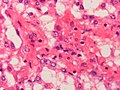 Adenovirus infection case
Ad. Transform your health with W8MD Weight Loss, Sleep & MedSpa

Tired of being overweight?
Get started with evidence based, physician-supervised
affordable GLP-1 weight loss injections
Now available in New York City and Philadelphia:
- Semaglutide starting from $59.99/week and up
- Tirzepatide starting from $69.99/week and up (dose dependent)
✔ Evidence-based medical weight loss ✔ Insurance-friendly visits available ✔ Same-week appointments, evenings & weekends
Learn more:
Start your transformation today with W8MD weight loss centers.
|
WikiMD Medical Encyclopedia |
Medical Disclaimer: WikiMD is for informational purposes only and is not a substitute for professional medical advice. Content may be inaccurate or outdated and should not be used for diagnosis or treatment. Always consult your healthcare provider for medical decisions. Verify information with trusted sources such as CDC.gov and NIH.gov. By using this site, you agree that WikiMD is not liable for any outcomes related to its content. See full disclaimer.
Credits:Most images are courtesy of Wikimedia commons, and templates, categories Wikipedia, licensed under CC BY SA or similar.
Translate this page: - East Asian
中文,
日本,
한국어,
South Asian
हिन्दी,
தமிழ்,
తెలుగు,
Urdu,
ಕನ್ನಡ,
Southeast Asian
Indonesian,
Vietnamese,
Thai,
မြန်မာဘာသာ,
বাংলা
European
español,
Deutsch,
français,
Greek,
português do Brasil,
polski,
română,
русский,
Nederlands,
norsk,
svenska,
suomi,
Italian
Middle Eastern & African
عربى,
Turkish,
Persian,
Hebrew,
Afrikaans,
isiZulu,
Kiswahili,
Other
Bulgarian,
Hungarian,
Czech,
Swedish,
മലയാളം,
मराठी,
ਪੰਜਾਬੀ,
ગુજરાતી,
Portuguese,
Ukrainian
