Epigallocatechin gallate
Epigallocatechin gallate (EGCG) is a type of catechin and a major component of green tea. It has attracted significant scientific interest due to its potential health benefits, which include antioxidant, anti-inflammatory, and anticarcinogenic properties. EGCG is considered the most active compound in green tea and has been the subject of numerous clinical and epidemiological studies aiming to understand its effects on various diseases and conditions.
Chemical Structure and Properties[edit]
EGCG is a polyphenol compound with a complex structure that includes multiple hydroxyl groups. Its chemical formula is C22H18O11. These hydroxyl groups are responsible for the potent antioxidant activity of EGCG, allowing it to scavenge free radicals and reduce oxidative stress in the body. The compound is also capable of chelating metal ions, further contributing to its antioxidant properties.
Sources[edit]
The primary source of EGCG is green tea, which is made from the leaves of the Camellia sinensis plant. The concentration of EGCG in green tea can vary depending on several factors, including the variety of tea plant, growing conditions, and processing methods. Other tea types, such as black tea and oolong tea, contain lower levels of EGCG due to the fermentation process they undergo, which converts some of the EGCG into other compounds.
Health Benefits[edit]
Antioxidant Activity[edit]
EGCG's strong antioxidant activity helps protect cells from DNA damage caused by reactive oxygen species. This property is believed to contribute to the prevention of various chronic diseases, including cancer, cardiovascular diseases, and neurodegenerative diseases.
Anti-inflammatory Effects[edit]
Inflammation is a key factor in many chronic diseases, and EGCG has been shown to exhibit anti-inflammatory effects by inhibiting certain signaling pathways and reducing the production of inflammatory cytokines.
Cancer Prevention[edit]
Numerous studies have suggested that EGCG can inhibit the growth of cancer cells and induce apoptosis (programmed cell death) in various types of cancer, including breast, prostate, and colorectal cancers. It is thought to achieve this through multiple mechanisms, including the modulation of signaling pathways involved in cell proliferation and survival.
Cardiovascular Health[edit]
EGCG may contribute to cardiovascular health by improving endothelial function, reducing blood pressure, and decreasing low-density lipoprotein (LDL) cholesterol levels. These effects can help prevent the development of atherosclerosis and other cardiovascular diseases.
Weight Loss and Metabolism[edit]
Some research suggests that EGCG can aid in weight loss by enhancing fat oxidation and thermogenesis, as well as by reducing lipogenesis (fat synthesis). However, the effects observed in studies are often modest, and more research is needed to fully understand EGCG's role in weight management.
Safety and Side Effects[edit]
While EGCG is generally considered safe when consumed in moderate amounts as part of green tea, high doses—especially in supplement form—can have adverse effects. These may include liver toxicity, digestive issues, and interactions with certain medications. It is important to consult with a healthcare provider before taking EGCG supplements, particularly for individuals with existing health conditions or those taking medication.
Conclusion[edit]
Epigallocatechin gallate is a potent polyphenol with a wide range of potential health benefits. While its antioxidant, anti-inflammatory, and anticarcinogenic properties are promising, further research is necessary to fully understand its mechanisms of action and to establish clear guidelines for its consumption. As with any supplement, moderation is key, and the benefits of EGCG are best obtained through a balanced diet that includes green tea among other nutrient-rich foods.

Epigallocatechin gallate[edit]
-
 Epigallocatechin gallate structure
 -
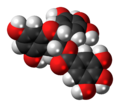 Epigallocatechin gallate 3D spacefill


Ad. Transform your life with W8MD's
GLP-1 weight loss injections special from $29.99 with insurance
|
WikiMD Medical Encyclopedia |
Medical Disclaimer: WikiMD is for informational purposes only and is not a substitute for professional medical advice. Content may be inaccurate or outdated and should not be used for diagnosis or treatment. Always consult your healthcare provider for medical decisions. Verify information with trusted sources such as CDC.gov and NIH.gov. By using this site, you agree that WikiMD is not liable for any outcomes related to its content. See full disclaimer.
Credits:Most images are courtesy of Wikimedia commons, and templates, categories Wikipedia, licensed under CC BY SA or similar.
Translate this page: - East Asian
中文,
日本,
한국어,
South Asian
हिन्दी,
தமிழ்,
తెలుగు,
Urdu,
ಕನ್ನಡ,
Southeast Asian
Indonesian,
Vietnamese,
Thai,
မြန်မာဘာသာ,
বাংলা
European
español,
Deutsch,
français,
Greek,
português do Brasil,
polski,
română,
русский,
Nederlands,
norsk,
svenska,
suomi,
Italian
Middle Eastern & African
عربى,
Turkish,
Persian,
Hebrew,
Afrikaans,
isiZulu,
Kiswahili,
Other
Bulgarian,
Hungarian,
Czech,
Swedish,
മലയാളം,
मराठी,
ਪੰਜਾਬੀ,
ગુજરાતી,
Portuguese,
Ukrainian
