Molluscivore
Molluscivore is a term used to describe organisms that primarily or exclusively consume mollusks. Mollusks are a diverse group of invertebrates that includes snails, clams, oysters, and squids. Molluscivores can be found across a wide range of animal groups, including birds, mammals, reptiles, and fish.
Characteristics[edit]
Molluscivores have evolved a variety of adaptations to help them capture and consume their prey. These can include specialized beaks or teeth for cracking open shells, long tongues for extracting soft-bodied snails from their shells, and even chemical defenses to neutralize the toxins that some mollusks produce.
Examples[edit]
Some well-known examples of molluscivores include the oystercatcher bird, which uses its long, sharp beak to pry open oyster shells, and the star-nosed mole, which uses its sensitive nose to locate snails and other mollusks in the soil. Many species of sea stars and sea otters are also molluscivores, feeding on a variety of shelled invertebrates in marine environments.
Ecological Role[edit]
Molluscivores play a crucial role in their ecosystems by controlling mollusk populations. This can help to prevent overgrazing of aquatic plants and algae, and can also reduce the spread of diseases that mollusks may carry. However, molluscivores can also be vulnerable to changes in their environment that affect mollusk populations, such as pollution or habitat loss.
See Also[edit]
| Animal behavior | ||||||||
|---|---|---|---|---|---|---|---|---|
This animal behavior related article is a stub.
|


-
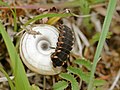 Lampyris noctiluca larva eating
 -
 Walrus at Kamogawa Seaworld
 -
 Spotted Pufferfish Arothron meleagris
 -
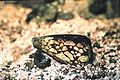 Conus marmoreus feeding on cowrie
 -
 Cone shell venom apparatus
.jpg)


Ad. Transform your health with W8MD Weight Loss, Sleep & MedSpa

Tired of being overweight?
Special offer:
Budget GLP-1 weight loss medications
- Semaglutide starting from $29.99/week and up with insurance for visit of $59.99 and up per week self pay.
- Tirzepatide starting from $45.00/week and up (dose dependent) or $69.99/week and up self pay
✔ Same-week appointments, evenings & weekends
Learn more:
- GLP-1 weight loss clinic NYC
- W8MD's NYC medical weight loss
- W8MD Philadelphia GLP-1 shots
- Philadelphia GLP-1 injections
- Affordable GLP-1 shots NYC
|
WikiMD Medical Encyclopedia |
Medical Disclaimer: WikiMD is for informational purposes only and is not a substitute for professional medical advice. Content may be inaccurate or outdated and should not be used for diagnosis or treatment. Always consult your healthcare provider for medical decisions. Verify information with trusted sources such as CDC.gov and NIH.gov. By using this site, you agree that WikiMD is not liable for any outcomes related to its content. See full disclaimer.
Credits:Most images are courtesy of Wikimedia commons, and templates, categories Wikipedia, licensed under CC BY SA or similar.
Translate this page: - East Asian
中文,
日本,
한국어,
South Asian
हिन्दी,
தமிழ்,
తెలుగు,
Urdu,
ಕನ್ನಡ,
Southeast Asian
Indonesian,
Vietnamese,
Thai,
မြန်မာဘာသာ,
বাংলা
European
español,
Deutsch,
français,
Greek,
português do Brasil,
polski,
română,
русский,
Nederlands,
norsk,
svenska,
suomi,
Italian
Middle Eastern & African
عربى,
Turkish,
Persian,
Hebrew,
Afrikaans,
isiZulu,
Kiswahili,
Other
Bulgarian,
Hungarian,
Czech,
Swedish,
മലയാളം,
मराठी,
ਪੰਜਾਬੀ,
ગુજરાતી,
Portuguese,
Ukrainian
