Β-Amanitin
Β-Amanitin is a potent and deadly toxin found in certain species of mushrooms, notably those belonging to the Amanita genus, such as Amanita phalloides, commonly known as the death cap mushroom. It is one of the most toxic known amatoxins, a group of closely related toxic compounds that inhibit RNA polymerase II, an essential enzyme in the synthesis of messenger RNA (mRNA), microRNA, and small nuclear RNA in eukaryotic cells. By blocking RNA polymerase II, β-amanitin effectively halts protein synthesis, leading to cell death. This mechanism of action makes β-amanitin extremely lethal, even in small doses.
Toxicity and Symptoms[edit]
The toxicity of β-amanitin is profound, with the lethal dose in humans being approximately 0.1 mg/kg of body weight. After ingestion, there is a latency period of 6 to 24 hours before symptoms appear. The initial symptoms are gastrointestinal in nature, including severe abdominal pain, vomiting, and diarrhea, which can lead to significant dehydration and electrolyte imbalance. As the toxin progresses through the system, it begins to affect the liver and kidneys, leading to liver failure, kidney failure, and potentially death if not treated promptly.
Treatment[edit]
There is no specific antidote for β-amanitin poisoning. Treatment is primarily supportive and aims to reduce the absorption of the toxin, support the liver and kidneys, and manage symptoms. This may include the use of activated charcoal, aggressive hydration, correction of electrolyte imbalances, and in severe cases, liver transplantation. Early medical intervention is critical for survival.
Detection and Research[edit]
Research into β-amanitin has focused on its unique mechanism of action and its potential applications in biotechnology and medicine. Techniques such as high-performance liquid chromatography (HPLC) and mass spectrometry have been developed to detect and quantify β-amanitin in biological samples, which is crucial for the diagnosis and study of poisoning cases.
Environmental and Ecological Impact[edit]
The presence of β-amanitin in the environment is primarily through the growth of Amanita mushrooms, which can be found in various habitats around the world. These mushrooms pose a risk to humans, pets, and livestock due to their toxicity. Education on the identification and dangers of poisonous mushrooms is essential to prevent accidental ingestions.

Β-Amanitin[edit]
-
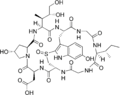 Beta-amanitin structure
 -
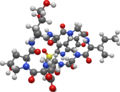 B-amanitin 3D BS
 -
 Amanita phalloides


Ad. Transform your health with W8MD Weight Loss, Sleep & MedSpa

Tired of being overweight?
Special offer:
Budget GLP-1 weight loss medications
- Semaglutide starting from $29.99/week and up with insurance for visit of $59.99 and up per week self pay.
- Tirzepatide starting from $45.00/week and up (dose dependent) or $69.99/week and up self pay
✔ Same-week appointments, evenings & weekends
Learn more:
- GLP-1 weight loss clinic NYC
- W8MD's NYC medical weight loss
- W8MD Philadelphia GLP-1 shots
- Philadelphia GLP-1 injections
- Affordable GLP-1 shots NYC
|
WikiMD Medical Encyclopedia |
Medical Disclaimer: WikiMD is for informational purposes only and is not a substitute for professional medical advice. Content may be inaccurate or outdated and should not be used for diagnosis or treatment. Always consult your healthcare provider for medical decisions. Verify information with trusted sources such as CDC.gov and NIH.gov. By using this site, you agree that WikiMD is not liable for any outcomes related to its content. See full disclaimer.
Credits:Most images are courtesy of Wikimedia commons, and templates, categories Wikipedia, licensed under CC BY SA or similar.
Translate this page: - East Asian
中文,
日本,
한국어,
South Asian
हिन्दी,
தமிழ்,
తెలుగు,
Urdu,
ಕನ್ನಡ,
Southeast Asian
Indonesian,
Vietnamese,
Thai,
မြန်မာဘာသာ,
বাংলা
European
español,
Deutsch,
français,
Greek,
português do Brasil,
polski,
română,
русский,
Nederlands,
norsk,
svenska,
suomi,
Italian
Middle Eastern & African
عربى,
Turkish,
Persian,
Hebrew,
Afrikaans,
isiZulu,
Kiswahili,
Other
Bulgarian,
Hungarian,
Czech,
Swedish,
മലയാളം,
मराठी,
ਪੰਜਾਬੀ,
ગુજરાતી,
Portuguese,
Ukrainian
