Phenolic content in wine
Phenolic content in wine refers to the presence of phenolic compounds in wine, which are natural compounds influencing the taste, color, and mouthfeel of wine. These compounds are derived from the skin, seeds, and stems of grapes, as well as from oak barrels used during the wine aging process. The phenolic content in wine is significant for several reasons, including its contribution to the sensory characteristics of wine and its potential health benefits due to its antioxidant properties.
Types of Phenolic Compounds in Wine[edit]
Phenolic compounds in wine can be broadly categorized into several groups:
- Flavonoids: This group includes anthocyanins, which are responsible for the red color in wines, and tannins, which contribute to the astringency and bitterness of wine. Flavonoids are primarily found in the skins and seeds of grapes.
- Non-flavonoids: These include stilbenes, such as resveratrol, which has been associated with various health benefits, and hydroxycinnamic acids, which contribute to the wine's flavor profile. Non-flavonoids are found in both the grape skins and the oak barrels used for aging wine.
Influence on Wine Characteristics[edit]
The phenolic content significantly affects the sensory attributes of wine, including its color, taste, and mouthfeel. For example, tannins, a type of phenolic compound, contribute to the astringency and bitterness of wine, which are key factors in the overall perception of wine quality. Additionally, phenolic compounds play a crucial role in the aging potential of wine, with certain phenols acting as antioxidants that protect the wine from oxidation and spoilage.
Health Benefits[edit]
Phenolic compounds in wine, particularly red wine, have been studied for their potential health benefits. The antioxidant properties of these compounds, such as resveratrol, have been linked to a reduced risk of cardiovascular disease and certain types of cancer. However, it is important to note that the health benefits associated with wine consumption should be considered in the context of moderate drinking and as part of a balanced diet.
Factors Affecting Phenolic Content[edit]
The phenolic content in wine can vary significantly depending on several factors:
- Grape Variety: Different grape varieties contain varying levels of phenolic compounds.
- Vineyard Practices: Viticultural practices, such as irrigation and sunlight exposure, can influence the phenolic composition of grapes.
- Winemaking Techniques: The methods used during winemaking, including fermentation, maceration, and aging, can affect the extraction and preservation of phenolic compounds in wine.
- Aging Process: The use of oak barrels for aging can introduce additional phenolic compounds into the wine, influencing its flavor profile and antioxidant capacity.
Conclusion[edit]
The phenolic content in wine is a complex and crucial aspect of winemaking and wine appreciation, affecting the sensory characteristics, aging potential, and potential health benefits of wine. Understanding the various factors that influence the phenolic composition of wine can help winemakers produce high-quality wines and enable consumers to make informed choices about wine selection and consumption.

Phenolic content in wine[edit]
-
 Shiraz Grapes
 -
 Red wine cap
 -
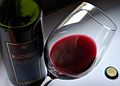 Tempranillo wine
 -
 Homebrew maceration
 -
 Wine Barrels 2005
 -
 Embotellado De Origen
 -
 Comparison of Pinot, Rosé, and White Wine at 280 nm


Ad. Transform your life with W8MD's
GLP-1 weight loss injections special from $29.99 with insurance
|
WikiMD Medical Encyclopedia |
Medical Disclaimer: WikiMD is for informational purposes only and is not a substitute for professional medical advice. Content may be inaccurate or outdated and should not be used for diagnosis or treatment. Always consult your healthcare provider for medical decisions. Verify information with trusted sources such as CDC.gov and NIH.gov. By using this site, you agree that WikiMD is not liable for any outcomes related to its content. See full disclaimer.
Credits:Most images are courtesy of Wikimedia commons, and templates, categories Wikipedia, licensed under CC BY SA or similar.
Translate this page: - East Asian
中文,
日本,
한국어,
South Asian
हिन्दी,
தமிழ்,
తెలుగు,
Urdu,
ಕನ್ನಡ,
Southeast Asian
Indonesian,
Vietnamese,
Thai,
မြန်မာဘာသာ,
বাংলা
European
español,
Deutsch,
français,
Greek,
português do Brasil,
polski,
română,
русский,
Nederlands,
norsk,
svenska,
suomi,
Italian
Middle Eastern & African
عربى,
Turkish,
Persian,
Hebrew,
Afrikaans,
isiZulu,
Kiswahili,
Other
Bulgarian,
Hungarian,
Czech,
Swedish,
മലയാളം,
मराठी,
ਪੰਜਾਬੀ,
ગુજરાતી,
Portuguese,
Ukrainian
