Wakame


Wakame is a species of edible seaweed, also known as Undaria pinnatifida. It is a type of brown algae that is commonly used in Japanese cuisine, as well as in other East Asian cuisines such as Korean and Chinese. Wakame is known for its subtly sweet flavor and silky texture.
Description[edit]
Wakame is a dark green seaweed that grows in temperate coastal areas. It has a distinctive, feathery appearance and can grow up to several meters in length. The plant consists of a holdfast, which anchors it to the seabed, a stipe, and a frond that is divided into numerous leaflets.
Culinary Uses[edit]
Wakame is often used in soups, salads, and as a garnish. In Japanese cuisine, it is a key ingredient in miso soup and is also used in seaweed salads. In Korean cuisine, it is known as miyeok and is commonly used in soups such as miyeok-guk, which is traditionally eaten on birthdays and by women after childbirth.
Nutritional Value[edit]
Wakame is rich in essential nutrients, including iodine, calcium, magnesium, and iron. It is also a good source of vitamins such as vitamin A, vitamin C, vitamin D, vitamin E, and vitamin K. Additionally, wakame contains fucoxanthin, a compound that has been studied for its potential anti-obesity effects.
Health Benefits[edit]
Wakame has been associated with various health benefits, including:
- Supporting thyroid function due to its high iodine content.
- Promoting bone health because of its calcium and magnesium content.
- Providing antioxidant properties through its vitamins and minerals.
- Potentially aiding in weight management due to the presence of fucoxanthin.
Cultivation and Harvesting[edit]
Wakame is cultivated in several countries, including Japan, Korea, and China. It is typically grown on ropes suspended in the ocean and harvested during the spring. After harvesting, wakame is often blanched and dried for preservation.
Environmental Impact[edit]
Wakame is considered an invasive species in some parts of the world, including New Zealand and parts of Europe. It can outcompete native seaweed species and disrupt local marine ecosystems.
See Also[edit]
References[edit]
External Links[edit]


Wakame[edit]
-
 Wakame
 -
 Boiled Wakame
 -
 Miso Soup with Wakame
 -
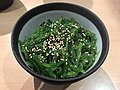 Wakame chez Mika Sushi
 -
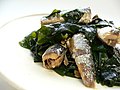 Wakame and Fish
 -
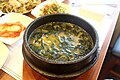 So-gogi Miyeok-guk
 -
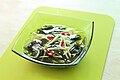 Oi-miyeok-naengguk
 -
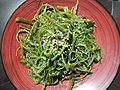 Miyeok Julgi Bokkeum
 -
 Salade d'algues Wakamé de chez Azuki
 -
 Undaria pinnatifida Growth Stages
 -
 Undaria pinnatifida Japanese Kelp


.jpg)
Ad. Transform your health with W8MD Weight Loss, Sleep & MedSpa

Tired of being overweight?
Special offer:
Budget GLP-1 weight loss medications
- Semaglutide starting from $29.99/week and up with insurance for visit of $59.99 and up per week self pay.
- Tirzepatide starting from $45.00/week and up (dose dependent) or $69.99/week and up self pay
✔ Same-week appointments, evenings & weekends
Learn more:
- GLP-1 weight loss clinic NYC
- W8MD's NYC medical weight loss
- W8MD Philadelphia GLP-1 shots
- Philadelphia GLP-1 injections
- Affordable GLP-1 shots NYC
|
WikiMD Medical Encyclopedia |
Medical Disclaimer: WikiMD is for informational purposes only and is not a substitute for professional medical advice. Content may be inaccurate or outdated and should not be used for diagnosis or treatment. Always consult your healthcare provider for medical decisions. Verify information with trusted sources such as CDC.gov and NIH.gov. By using this site, you agree that WikiMD is not liable for any outcomes related to its content. See full disclaimer.
Credits:Most images are courtesy of Wikimedia commons, and templates, categories Wikipedia, licensed under CC BY SA or similar.
Translate this page: - East Asian
中文,
日本,
한국어,
South Asian
हिन्दी,
தமிழ்,
తెలుగు,
Urdu,
ಕನ್ನಡ,
Southeast Asian
Indonesian,
Vietnamese,
Thai,
မြန်မာဘာသာ,
বাংলা
European
español,
Deutsch,
français,
Greek,
português do Brasil,
polski,
română,
русский,
Nederlands,
norsk,
svenska,
suomi,
Italian
Middle Eastern & African
عربى,
Turkish,
Persian,
Hebrew,
Afrikaans,
isiZulu,
Kiswahili,
Other
Bulgarian,
Hungarian,
Czech,
Swedish,
മലയാളം,
मराठी,
ਪੰਜਾਬੀ,
ગુજરાતી,
Portuguese,
Ukrainian
