Armenian alphabet
Anatomical structure in the human body
The aponeurosis of the abdominal external oblique muscle is a broad, flat tendon that plays a crucial role in the structure and function of the abdominal wall. It is part of the muscular system and contributes to the abdominal wall's strength and flexibility.
Structure
The aponeurosis of the external oblique muscle is a fibrous sheet that extends from the lower ribs to the iliac crest and the pubic symphysis. It is the continuation of the external oblique muscle fibers as they transition into a tendinous form. This aponeurosis is a key component of the anterior abdominal wall, providing attachment points for other muscles and contributing to the formation of the inguinal ligament.
The aponeurosis is composed of dense connective tissue, primarily collagen fibers, which provide tensile strength. It is arranged in a layered fashion, with fibers running in different directions to enhance its strength and flexibility.
Function
The primary function of the aponeurosis of the abdominal external oblique muscle is to support the abdominal wall and assist in movements such as flexion, rotation, and lateral flexion of the trunk. It also plays a role in maintaining intra-abdominal pressure, which is important for activities such as breathing, defecation, and childbirth.
Additionally, the aponeurosis helps to protect the internal organs by providing a sturdy barrier against external forces. It also serves as a site of attachment for other muscles, such as the rectus abdominis and the transversus abdominis.
Clinical significance
Injuries or tears to the aponeurosis of the abdominal external oblique muscle can occur due to trauma or overuse, leading to conditions such as sports hernia or abdominal wall hernia. These injuries can cause pain and limit mobility, requiring medical intervention such as physical therapy or surgery.
Understanding the anatomy and function of the aponeurosis is important for diagnosing and treating abdominal wall injuries. Surgeons must be aware of its structure when performing procedures such as hernia repair or abdominoplasty.
Related pages
Gallery
-
 Diagram of the abdominal muscles, showing the aponeurosis of the external oblique.
 -
 Illustration of the abdominal wall, highlighting the aponeurosis of the external oblique muscle.


-
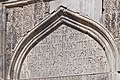 Armenian alphabet
 -
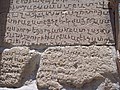 Armenian alphabet
 -
 Armenian alphabet
 -
 Armenian alphabet
 -
 Armenian alphabet
 -
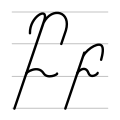 Armenian alphabet
 -
 Armenian alphabet
 -
 Armenian alphabet
 -
 Armenian alphabet
 -
 Armenian alphabet
 -
 Armenian alphabet
 -
 Armenian alphabet
.jpg)


Ad. Transform your life with W8MD's
GLP-1 weight loss injections special from $29.99 with insurance
|
WikiMD Medical Encyclopedia |
Medical Disclaimer: WikiMD is for informational purposes only and is not a substitute for professional medical advice. Content may be inaccurate or outdated and should not be used for diagnosis or treatment. Always consult your healthcare provider for medical decisions. Verify information with trusted sources such as CDC.gov and NIH.gov. By using this site, you agree that WikiMD is not liable for any outcomes related to its content. See full disclaimer.
Credits:Most images are courtesy of Wikimedia commons, and templates, categories Wikipedia, licensed under CC BY SA or similar.
Translate this page: - East Asian
中文,
日本,
한국어,
South Asian
हिन्दी,
தமிழ்,
తెలుగు,
Urdu,
ಕನ್ನಡ,
Southeast Asian
Indonesian,
Vietnamese,
Thai,
မြန်မာဘာသာ,
বাংলা
European
español,
Deutsch,
français,
Greek,
português do Brasil,
polski,
română,
русский,
Nederlands,
norsk,
svenska,
suomi,
Italian
Middle Eastern & African
عربى,
Turkish,
Persian,
Hebrew,
Afrikaans,
isiZulu,
Kiswahili,
Other
Bulgarian,
Hungarian,
Czech,
Swedish,
മലയാളം,
मराठी,
ਪੰਜਾਬੀ,
ગુજરાતી,
Portuguese,
Ukrainian
