Gac
Gac (Momordica cochinchinensis) is a fruit native to Southeast Asia, particularly found in Vietnam and other surrounding countries. It is known for its distinctive bright orange-red color when ripe and is often used in traditional dishes for its color and nutritional benefits. Gac fruit is also referred to as "baby jackfruit," "spiny bitter gourd," or "sweet gourd."
Description[edit]
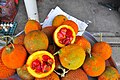
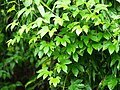
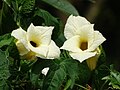
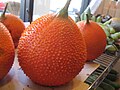
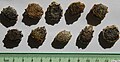
The Gac plant is a perennial vine that can grow up to 20 meters in length, with large, dark green leaves and yellow flowers. The fruit itself is spherical or oblong, measuring 10-15 cm in diameter. Its exterior is covered in small spines and turns from green to a vivid red-orange when ripe. The interior of the fruit contains red pulp and black seeds encased in a spongy white pith.
Cultivation[edit]
Gac is cultivated in several Southeast Asian countries, thriving in tropical climates. It is typically grown for its fruit, which is harvested twice a year. The plant prefers full sunlight and well-drained soil. Due to its climbing nature, it requires support structures like trellises or fences to grow effectively.
Nutritional Value[edit]
Gac fruit is highly valued for its nutritional content, particularly its high levels of beta-carotene and lycopene, which are potent antioxidants. It also contains other essential nutrients such as vitamin C, vitamin E, and fatty acids. These components contribute to various health benefits, including improved vision, enhanced immune function, and reduced risk of chronic diseases.
Culinary Uses[edit]
In its native regions, Gac fruit is traditionally used in dishes to celebrate special occasions and festivals. It is most commonly incorporated into sticky rice dishes, such as xoi gac, where the rice is mixed with the fruit's aril to give it a distinctive red color and a slight sweetness. The fruit's flesh and seeds can also be used to make oils and other dietary supplements.
Cultural Significance[edit]
Gac fruit holds cultural significance in Vietnam and other parts of Southeast Asia. It is especially prominent during the Lunar New Year (Tết) celebration, where it is used to prepare festive foods that symbolize luck, prosperity, and health for the coming year.
Conservation and Challenges[edit]
While Gac is not currently listed as endangered, its cultivation faces several challenges, including limited agricultural knowledge, fluctuating market demands, and the impact of climate change on its growth conditions. Efforts are being made to promote sustainable farming practices and expand the market for Gac products beyond its native regions.

-
 Gac
Gac -
 Gac
Gac -
 Gac
Gac -
 Gac
Gac -
 Gac
Gac -
 Gac
Gac -
 Gac
Gac -
 Gac
Gac -
 Gac
Gac


Ad. Transform your health with W8MD Weight Loss, Sleep & MedSpa

Tired of being overweight?
Special offer:
Budget GLP-1 weight loss medications
- Semaglutide starting from $29.99/week and up with insurance for visit of $59.99 and up per week self pay.
- Tirzepatide starting from $45.00/week and up (dose dependent) or $69.99/week and up self pay
✔ Same-week appointments, evenings & weekends
Learn more:
- GLP-1 weight loss clinic NYC
- W8MD's NYC medical weight loss
- W8MD Philadelphia GLP-1 shots
- Philadelphia GLP-1 injections
- Affordable GLP-1 shots NYC
|
WikiMD Medical Encyclopedia |
Medical Disclaimer: WikiMD is for informational purposes only and is not a substitute for professional medical advice. Content may be inaccurate or outdated and should not be used for diagnosis or treatment. Always consult your healthcare provider for medical decisions. Verify information with trusted sources such as CDC.gov and NIH.gov. By using this site, you agree that WikiMD is not liable for any outcomes related to its content. See full disclaimer.
Credits:Most images are courtesy of Wikimedia commons, and templates, categories Wikipedia, licensed under CC BY SA or similar.
Translate this page: - East Asian
中文,
日本,
한국어,
South Asian
हिन्दी,
தமிழ்,
తెలుగు,
Urdu,
ಕನ್ನಡ,
Southeast Asian
Indonesian,
Vietnamese,
Thai,
မြန်မာဘာသာ,
বাংলা
European
español,
Deutsch,
français,
Greek,
português do Brasil,
polski,
română,
русский,
Nederlands,
norsk,
svenska,
suomi,
Italian
Middle Eastern & African
عربى,
Turkish,
Persian,
Hebrew,
Afrikaans,
isiZulu,
Kiswahili,
Other
Bulgarian,
Hungarian,
Czech,
Swedish,
മലയാളം,
मराठी,
ਪੰਜਾਬੀ,
ગુજરાતી,
Portuguese,
Ukrainian
