Hillsborough Convention
Hillsborough Convention was a significant political gathering that took place in Hillsborough, North Carolina in 1788. The convention was convened to deliberate on the United States Constitution that had been proposed a year earlier in 1787.
Background[edit]
The Constitutional Convention of 1787 had proposed a new constitution to replace the Articles of Confederation. The proposed constitution was to be ratified by conventions in each state. The Hillsborough Convention was North Carolina's ratifying convention.
Proceedings[edit]
The Hillsborough Convention convened on July 21, 1788, with 270 delegates from across North Carolina. The convention was presided over by Samuel Johnston, who was then the Governor of North Carolina. The delegates were divided into two factions: the Federalists, who supported the proposed constitution, and the Anti-Federalists, who opposed it.
The Federalists, led by James Iredell and William Davie, argued that the new constitution would provide a stronger and more efficient government than the Articles of Confederation. The Anti-Federalists, led by Willie Jones and Timothy Bloodworth, expressed concerns about the proposed constitution, particularly its lack of a Bill of Rights and the potential for the federal government to infringe on states' rights.
Outcome[edit]
After extensive debate, the convention voted on August 2, 1788, to neither ratify nor reject the proposed constitution. Instead, the convention proposed a list of amendments and a declaration of rights to be added to the constitution. The proposed amendments included protections for freedom of speech, freedom of the press, and the right to a trial by jury, among others.
The convention's decision was a significant setback for the Federalists. North Carolina was the only state to neither ratify nor reject the proposed constitution at its first ratifying convention. The state would not ratify the constitution until November 1789, after the Bill of Rights had been proposed by the first United States Congress.
Legacy[edit]
The Hillsborough Convention is remembered as a significant event in the history of the United States Constitution. The convention's proposed amendments and declaration of rights contributed to the development of the Bill of Rights. The convention also highlighted the deep divisions over the proposed constitution and the ongoing debate over the balance of power between the federal government and the states.
-
 Hillsborough Convention
 -
 Samuel Johnston Bust
 -
 Richard Spaight
 -
 William Richardson Davie
 -
 Benjamin Smith
 -
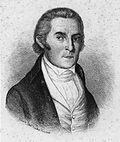 Willie Jones
 -
 Benjamin Williams
 -
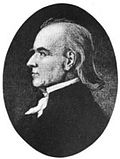 William Lenoir
 -
 Joseph Graham
 -
 James Kenan
 -
 Joseph McDowell Jr.
 -
 Richard Caswell


_(frame_cropped).jpg)


.jpg)
Ad. Transform your life with W8MD's
GLP-1 weight loss injections special from $29.99 with insurance
|
WikiMD Medical Encyclopedia |
Medical Disclaimer: WikiMD is for informational purposes only and is not a substitute for professional medical advice. Content may be inaccurate or outdated and should not be used for diagnosis or treatment. Always consult your healthcare provider for medical decisions. Verify information with trusted sources such as CDC.gov and NIH.gov. By using this site, you agree that WikiMD is not liable for any outcomes related to its content. See full disclaimer.
Credits:Most images are courtesy of Wikimedia commons, and templates, categories Wikipedia, licensed under CC BY SA or similar.
Translate this page: - East Asian
中文,
日本,
한국어,
South Asian
हिन्दी,
தமிழ்,
తెలుగు,
Urdu,
ಕನ್ನಡ,
Southeast Asian
Indonesian,
Vietnamese,
Thai,
မြန်မာဘာသာ,
বাংলা
European
español,
Deutsch,
français,
Greek,
português do Brasil,
polski,
română,
русский,
Nederlands,
norsk,
svenska,
suomi,
Italian
Middle Eastern & African
عربى,
Turkish,
Persian,
Hebrew,
Afrikaans,
isiZulu,
Kiswahili,
Other
Bulgarian,
Hungarian,
Czech,
Swedish,
മലയാളം,
मराठी,
ਪੰਜਾਬੀ,
ગુજરાતી,
Portuguese,
Ukrainian
