Chloropyramine
Chloropyramine is a first-generation antihistamine used primarily in the treatment of allergic reactions, hay fever, angioedema, and urticaria. It is a synthetic compound belonging to the class of ethylenediamine-derived antihistamines, which are known for their sedative properties. Chloropyramine works by blocking the action of histamine, a substance in the body that causes allergic symptoms. It is marketed under various brand names across different countries and is available in several forms, including tablets, injectable solutions, and creams.
Medical Uses[edit]
Chloropyramine is utilized to alleviate symptoms associated with allergic conditions such as:
- Rhinitis - inflammation of the nasal mucous membrane
- Conjunctivitis - inflammation of the conjunctiva of the eye
- Pruritus - severe itching of the skin
- Urticaria - a condition characterized by red, itchy welts on the skin
- Angioedema - swelling beneath the skin or mucous membranes
It may also be used in the management of allergic reactions to insect bites and in some cases of asthma as an adjunct therapy.
Mechanism of Action[edit]
As a first-generation antihistamine, chloropyramine exerts its effects by competitively inhibiting the H1 histamine receptors. Histamine, a key mediator in allergic reactions, binds to these receptors causing vasodilation, increased vascular permeability, and the classic symptoms of an allergic reaction such as sneezing, itching, and increased mucus production. By blocking these receptors, chloropyramine reduces the overall severity of allergic symptoms.
Side Effects[edit]
The use of chloropyramine, like other first-generation antihistamines, is associated with several side effects due to its ability to cross the blood-brain barrier. These include:
- Drowsiness
- Dizziness
- Dry mouth
- Blurred vision
- Urinary retention
- Constipation
Due to its sedative effects, caution is advised when driving or operating heavy machinery after taking chloropyramine.
Pharmacokinetics[edit]
Chloropyramine is well absorbed from the gastrointestinal tract, with its effects becoming apparent within 15 to 30 minutes after oral administration. Its peak plasma concentrations are reached in about 1 to 2 hours. The drug is metabolized in the liver and excreted primarily through the kidneys. The half-life of chloropyramine varies but is typically around 20 hours, allowing for multiple dosing intervals.
Interactions[edit]
Chloropyramine can interact with other medications, leading to increased sedation when taken with other central nervous system depressants such as alcohol, opioids, and benzodiazepines. It may also enhance the anticholinergic effects of other drugs, increasing the risk of side effects like dry mouth and urinary retention.
Contraindications[edit]
Chloropyramine is contraindicated in individuals with:
- Hypersensitivity to chloropyramine or any component of the formulation
- Acute asthma attacks
- Narrow-angle glaucoma
- Severe liver diseases
- Prostatic hypertrophy
See Also[edit]

-
 Chloropyramine
 -
 Chloropyramine synthesis
 -
 Chloropyramine synthesis 2
 -
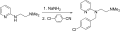 Chloropyramine synthesis 3


Ad. Transform your health with W8MD Weight Loss, Sleep & MedSpa

Tired of being overweight?
Special offer:
Budget GLP-1 weight loss medications
- Semaglutide starting from $29.99/week and up with insurance for visit of $59.99 and up per week self pay.
- Tirzepatide starting from $45.00/week and up (dose dependent) or $69.99/week and up self pay
✔ Same-week appointments, evenings & weekends
Learn more:
- GLP-1 weight loss clinic NYC
- W8MD's NYC medical weight loss
- W8MD Philadelphia GLP-1 shots
- Philadelphia GLP-1 injections
- Affordable GLP-1 shots NYC
|
WikiMD Medical Encyclopedia |
Medical Disclaimer: WikiMD is for informational purposes only and is not a substitute for professional medical advice. Content may be inaccurate or outdated and should not be used for diagnosis or treatment. Always consult your healthcare provider for medical decisions. Verify information with trusted sources such as CDC.gov and NIH.gov. By using this site, you agree that WikiMD is not liable for any outcomes related to its content. See full disclaimer.
Credits:Most images are courtesy of Wikimedia commons, and templates, categories Wikipedia, licensed under CC BY SA or similar.
Translate this page: - East Asian
中文,
日本,
한국어,
South Asian
हिन्दी,
தமிழ்,
తెలుగు,
Urdu,
ಕನ್ನಡ,
Southeast Asian
Indonesian,
Vietnamese,
Thai,
မြန်မာဘာသာ,
বাংলা
European
español,
Deutsch,
français,
Greek,
português do Brasil,
polski,
română,
русский,
Nederlands,
norsk,
svenska,
suomi,
Italian
Middle Eastern & African
عربى,
Turkish,
Persian,
Hebrew,
Afrikaans,
isiZulu,
Kiswahili,
Other
Bulgarian,
Hungarian,
Czech,
Swedish,
മലയാളം,
मराठी,
ਪੰਜਾਬੀ,
ગુજરાતી,
Portuguese,
Ukrainian
