Salla disease
Salla disease, also known as Sialic Acid Storage Disease, Finnish type, is a rare autosomal recessive lysosomal storage disorder characterized by the accumulation of free sialic acid in lysosomes. It is part of a group of disorders known as the lysosomal storage diseases. Salla disease primarily affects the nervous system, leading to physical and mental impairment. It was first identified in the Salla region of Finland, where it has the highest prevalence, but it has since been diagnosed in individuals worldwide.
Symptoms and Signs
The symptoms of Salla disease typically manifest in infancy or early childhood. They include:
- Hypotonia (reduced muscle tone)
- Developmental delay and later, intellectual disability
- Ataxia (impaired balance and coordination)
- Nystagmus (involuntary eye movement)
- Seizures in some cases
- Speech difficulties
As the disease progresses, individuals may experience further neurological deterioration, although the rate of progression can vary widely among affected individuals.
Causes
Salla disease is caused by mutations in the SLC17A5 gene, which encodes a protein involved in the transport of sialic acid out of lysosomes. Mutations in this gene lead to the accumulation of sialic acid within lysosomes, disrupting normal cellular function and leading to the symptoms of the disease.
Diagnosis
Diagnosis of Salla disease involves a combination of clinical evaluation, biochemical tests to measure the levels of free sialic acid in urine, and genetic testing to identify mutations in the SLC17A5 gene.
Treatment
There is currently no cure for Salla disease. Treatment is symptomatic and supportive, focusing on managing symptoms and improving quality of life. This may include physical therapy, speech therapy, and medications to manage seizures and other symptoms.
Epidemiology
Salla disease is most common in individuals of Finnish descent, particularly those from the Salla region, but it has been identified in various ethnic groups worldwide. The exact prevalence is unknown, but it is considered a rare disease.
Research
Research into Salla disease is focused on understanding the underlying mechanisms of the disease and developing effective treatments. Gene therapy and enzyme replacement therapy are areas of interest, but these approaches are still in the experimental stages.

-
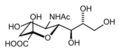 Sialic acid structure
 -
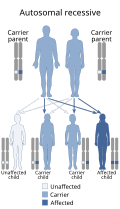 Autosomal recessive inheritance pattern


Ad. Transform your health with W8MD Weight Loss, Sleep & MedSpa

Tired of being overweight?
Get started with evidence based, physician-supervised
affordable GLP-1 weight loss injections
Now available in New York City and Philadelphia:
- Semaglutide starting from $59.99/week and up
- Tirzepatide starting from $69.99/week and up (dose dependent)
✔ Evidence-based medical weight loss ✔ Insurance-friendly visits available ✔ Same-week appointments, evenings & weekends
Learn more:
Start your transformation today with W8MD weight loss centers.
|
WikiMD Medical Encyclopedia |
Medical Disclaimer: WikiMD is for informational purposes only and is not a substitute for professional medical advice. Content may be inaccurate or outdated and should not be used for diagnosis or treatment. Always consult your healthcare provider for medical decisions. Verify information with trusted sources such as CDC.gov and NIH.gov. By using this site, you agree that WikiMD is not liable for any outcomes related to its content. See full disclaimer.
Credits:Most images are courtesy of Wikimedia commons, and templates, categories Wikipedia, licensed under CC BY SA or similar.
Translate this page: - East Asian
中文,
日本,
한국어,
South Asian
हिन्दी,
தமிழ்,
తెలుగు,
Urdu,
ಕನ್ನಡ,
Southeast Asian
Indonesian,
Vietnamese,
Thai,
မြန်မာဘာသာ,
বাংলা
European
español,
Deutsch,
français,
Greek,
português do Brasil,
polski,
română,
русский,
Nederlands,
norsk,
svenska,
suomi,
Italian
Middle Eastern & African
عربى,
Turkish,
Persian,
Hebrew,
Afrikaans,
isiZulu,
Kiswahili,
Other
Bulgarian,
Hungarian,
Czech,
Swedish,
മലയാളം,
मराठी,
ਪੰਜਾਬੀ,
ગુજરાતી,
Portuguese,
Ukrainian
