Phosphagen
Overview of the phosphagen system in muscle energy metabolism
Phosphagen System
The phosphagen system, also known as the ATP-PC system, is a crucial energy system in the human body that provides immediate energy through the breakdown of stored high-energy phosphates. This system is primarily used during short, intense bursts of activity, such as sprinting or heavy lifting.
Adenosine Triphosphate (ATP)
Adenosine triphosphate (ATP) is the primary energy carrier in all living organisms. It consists of an adenosine molecule bonded to three phosphate groups. The energy stored in ATP is released when the bond between the second and third phosphate groups is broken, converting ATP into adenosine diphosphate (ADP).
Creatine Phosphate (CP)
Creatine phosphate (CP), also known as phosphocreatine, is a high-energy phosphate compound stored in muscle cells. It serves as a rapid source of energy by donating its phosphate group to ADP to regenerate ATP. This reaction is catalyzed by the enzyme creatine kinase.
Mechanism of Action
The phosphagen system operates through the following reaction:
- \[ \text{ADP} + \text{CP} \xrightarrow{\text{creatine kinase}} \text{ATP} + \text{creatine} \]
This reaction is reversible, allowing for the rapid replenishment of ATP during high-intensity activities. The phosphagen system can provide energy for approximately 10 seconds of maximal effort.
Role in Exercise
The phosphagen system is predominantly active during short-duration, high-intensity exercises. It is the primary energy source for activities such as:
Due to its rapid ATP production, the phosphagen system is essential for explosive movements and quick bursts of power.
Limitations
The phosphagen system is limited by the availability of stored creatine phosphate in the muscles. Once these stores are depleted, the body must rely on other energy systems, such as glycolysis and oxidative phosphorylation, to continue producing ATP.
Training Adaptations
Regular high-intensity training can increase the muscle's capacity to store creatine phosphate, thereby enhancing the efficiency of the phosphagen system. Athletes often use creatine supplementation to increase their phosphocreatine stores and improve performance in short-duration, high-intensity activities.
Related Pages
-
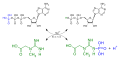 Creatine kinase reaction
 -
 Purine Nucleotide Cycle


Ad. Transform your life with W8MD's
GLP-1 weight loss injections special from $29.99 with insurance
|
WikiMD Medical Encyclopedia |
Medical Disclaimer: WikiMD is for informational purposes only and is not a substitute for professional medical advice. Content may be inaccurate or outdated and should not be used for diagnosis or treatment. Always consult your healthcare provider for medical decisions. Verify information with trusted sources such as CDC.gov and NIH.gov. By using this site, you agree that WikiMD is not liable for any outcomes related to its content. See full disclaimer.
Credits:Most images are courtesy of Wikimedia commons, and templates, categories Wikipedia, licensed under CC BY SA or similar.
Translate this page: - East Asian
中文,
日本,
한국어,
South Asian
हिन्दी,
தமிழ்,
తెలుగు,
Urdu,
ಕನ್ನಡ,
Southeast Asian
Indonesian,
Vietnamese,
Thai,
မြန်မာဘာသာ,
বাংলা
European
español,
Deutsch,
français,
Greek,
português do Brasil,
polski,
română,
русский,
Nederlands,
norsk,
svenska,
suomi,
Italian
Middle Eastern & African
عربى,
Turkish,
Persian,
Hebrew,
Afrikaans,
isiZulu,
Kiswahili,
Other
Bulgarian,
Hungarian,
Czech,
Swedish,
മലയാളം,
मराठी,
ਪੰਜਾਬੀ,
ગુજરાતી,
Portuguese,
Ukrainian
