Dust mite allergy

Editor-In-Chief: Prab R Tumpati, MD
Obesity, Sleep & Internal medicine
Founder, WikiMD Wellnesspedia &
W8MD's medical weight loss NYC, sleep center NYC
Philadelphia medical weight loss and Philadelphia sleep clinics
| Dust mite allergy | |
|---|---|

| |
| Synonyms | N/A |
| Pronounce | N/A |
| Specialty | N/A |
| Symptoms | Sneezing, runny nose, itchy eyes, asthma |
| Complications | Sinusitis, asthma exacerbation |
| Onset | Any age, often childhood |
| Duration | Long-term |
| Types | N/A |
| Causes | House dust mites |
| Risks | Family history, exposure to dust |
| Diagnosis | Skin prick test, specific IgE blood test |
| Differential diagnosis | Common cold, other allergies |
| Prevention | Dust mite control measures, allergen-proof bedding |
| Treatment | Antihistamines, nasal corticosteroids, allergen immunotherapy |
| Medication | N/A |
| Prognosis | N/A |
| Frequency | Common |
| Deaths | N/A |
Dust Mite Allergy' is a common condition caused by an allergic reaction to dust mites, microscopic organisms that thrive in household dust. People with this allergy have symptoms that can range from mild to severe and are often similar to those of hay fever or asthma.
Causes
Dust mite allergies are triggered by proteins found in the feces and decaying bodies of dust mites. These proteins can cause the immune system of an allergic person to overreact, leading to inflammation in the nasal passages or lungs.
Symptoms
Common symptoms of a dust mite allergy include:
- Sneezing
- Runny or stuffy nose
- Itchy, red, or watery eyes
- Postnasal drip
- Cough
- Facial pressure and pain
- Frequent awakening
- Swollen, blue-colored skin under the eyes
- In a child, frequent upward rubbing of the nose
If a dust mite allergy contributes to asthma, one may also experience:
- Difficulty breathing
- Chest tightness or pain
- An audible whistling or wheezing sound when exhaling
- Trouble sleeping caused by shortness of breath, coughing, or wheezing
Diagnosis
Diagnosis of a dust mite allergy typically involves a medical history and physical exam. A doctor may also recommend one or more tests to confirm the allergy:
- Skin prick test: A small amount of the allergen is placed on the skin, which is then pricked to allow the allergen to enter underneath. A reaction indicates an allergy.
- Allergen-specific IgE antibody test: This blood test measures the immune system's response to dust mites by measuring the amount of certain antibodies in the bloodstream.
Treatment
Treatment for a dust mite allergy can include a combination of medications and lifestyle changes to reduce symptoms. Medications may include:
- Nasal corticosteroids
- Antihistamines
- Decongestants
- Leukotriene modifiers
- Nasal irrigation
Lifestyle changes and home remedies that can help manage symptoms include:
- Using allergen-proof bed covers
- Washing bedding in hot water weekly
- Keeping humidity low
- Removing carpeting from bedrooms
- Using a high-efficiency particulate air (HEPA) filter in the bedroom
Prevention
Preventive measures to reduce exposure to dust mites include:
- Encasing mattresses, box springs, and pillows in allergen-proof covers
- Washing all bedding in hot water at least once a week
- Maintaining low indoor humidity
- Removing dust-collecting clutter from the home
- Vacuuming regularly with a vacuum equipped with a HEPA filter
Dust_mite_allergy gallery
-
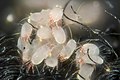 House dust mites
 -
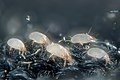 House dust mites
.jpg)
.jpg)
See Also

Ad. Transform your health with W8MD Weight Loss, Sleep & MedSpa

Tired of being overweight?
Special offer:
Budget GLP-1 weight loss medications
- Semaglutide starting from $29.99/week and up with insurance for visit of $59.99 and up per week self pay.
- Tirzepatide starting from $45.00/week and up (dose dependent) or $69.99/week and up self pay
✔ Same-week appointments, evenings & weekends
Learn more:
- GLP-1 weight loss clinic NYC
- W8MD's NYC medical weight loss
- W8MD Philadelphia GLP-1 shots
- Philadelphia GLP-1 injections
- Affordable GLP-1 shots NYC
|
WikiMD Medical Encyclopedia |
Medical Disclaimer: WikiMD is for informational purposes only and is not a substitute for professional medical advice. Content may be inaccurate or outdated and should not be used for diagnosis or treatment. Always consult your healthcare provider for medical decisions. Verify information with trusted sources such as CDC.gov and NIH.gov. By using this site, you agree that WikiMD is not liable for any outcomes related to its content. See full disclaimer.
Credits:Most images are courtesy of Wikimedia commons, and templates, categories Wikipedia, licensed under CC BY SA or similar.
Translate this page: - East Asian
中文,
日本,
한국어,
South Asian
हिन्दी,
தமிழ்,
తెలుగు,
Urdu,
ಕನ್ನಡ,
Southeast Asian
Indonesian,
Vietnamese,
Thai,
မြန်မာဘာသာ,
বাংলা
European
español,
Deutsch,
français,
Greek,
português do Brasil,
polski,
română,
русский,
Nederlands,
norsk,
svenska,
suomi,
Italian
Middle Eastern & African
عربى,
Turkish,
Persian,
Hebrew,
Afrikaans,
isiZulu,
Kiswahili,
Other
Bulgarian,
Hungarian,
Czech,
Swedish,
മലയാളം,
मराठी,
ਪੰਜਾਬੀ,
ગુજરાતી,
Portuguese,
Ukrainian
