Kukicha
Kukicha (or twig tea) is a type of Japanese tea made primarily from the twigs and stems of the Camellia sinensis plant, rather than the leaves. It is a unique blend that offers a distinct flavor and a variety of health benefits.
History
Kukicha has a long history in Japan, where it is also known as bōcha (棒茶). It was traditionally considered a peasant's drink, as it allowed every part of the tea plant to be used. However, it has gained popularity in recent years due to its unique flavor and health benefits.
Production
The production of Kukicha involves a unique process. After the leaves of the Camellia sinensis plant are harvested for green tea, the remaining twigs and stems are collected. These are then aged and dried before being roasted. The roasting process gives Kukicha its distinctive nutty flavor.
Flavor and Aroma
Kukicha has a unique flavor profile compared to other types of tea. It is less bitter than traditional green tea, with a slightly sweet, creamy, and nutty flavor. The aroma is also unique, often described as fresh and woody.
Health Benefits
Kukicha is rich in antioxidants and other beneficial compounds. It is known to aid in digestion, support immune function, and promote heart health. It is also low in caffeine, making it a good choice for those who are sensitive to stimulants.
Brewing
To brew Kukicha, it is recommended to steep the twigs in hot water for 1-3 minutes. The resulting tea is light in color with a unique, pleasing flavor.
See Also
| Japanese tea | ||||||||||
|---|---|---|---|---|---|---|---|---|---|---|
This Japanese tea related article is a stub.
|
| Green tea | ||||||||||
|---|---|---|---|---|---|---|---|---|---|---|
This green tea related article is a stub.
|

-
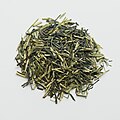 Kukicha

Ad. Transform your life with W8MD's
GLP-1 weight loss injections special from $29.99 with insurance
|
WikiMD Medical Encyclopedia |
Medical Disclaimer: WikiMD is for informational purposes only and is not a substitute for professional medical advice. Content may be inaccurate or outdated and should not be used for diagnosis or treatment. Always consult your healthcare provider for medical decisions. Verify information with trusted sources such as CDC.gov and NIH.gov. By using this site, you agree that WikiMD is not liable for any outcomes related to its content. See full disclaimer.
Credits:Most images are courtesy of Wikimedia commons, and templates, categories Wikipedia, licensed under CC BY SA or similar.
Translate this page: - East Asian
中文,
日本,
한국어,
South Asian
हिन्दी,
தமிழ்,
తెలుగు,
Urdu,
ಕನ್ನಡ,
Southeast Asian
Indonesian,
Vietnamese,
Thai,
မြန်မာဘာသာ,
বাংলা
European
español,
Deutsch,
français,
Greek,
português do Brasil,
polski,
română,
русский,
Nederlands,
norsk,
svenska,
suomi,
Italian
Middle Eastern & African
عربى,
Turkish,
Persian,
Hebrew,
Afrikaans,
isiZulu,
Kiswahili,
Other
Bulgarian,
Hungarian,
Czech,
Swedish,
മലയാളം,
मराठी,
ਪੰਜਾਬੀ,
ગુજરાતી,
Portuguese,
Ukrainian
