Ulegyria
A type of brain injury
Ulegyria is a form of brain injury characterized by scarring and atrophy of the cerebral cortex, particularly affecting the gyri. This condition is often associated with perinatal hypoxic-ischemic events, where the brain is deprived of adequate oxygen supply during birth.
Pathophysiology
Ulegyria results from a lack of oxygen (hypoxia) and blood flow (ischemia) to the brain, typically occurring around the time of birth. This leads to selective vulnerability of the cortical neurons, particularly in the depths of the sulci, resulting in a characteristic "mushroom-shaped" appearance of the gyri. The condition is often associated with cerebral palsy and other neurodevelopmental disorders.

Clinical Features
Individuals with ulegyria may present with a variety of neurological symptoms, including seizures, motor deficits, and cognitive impairments. The severity of symptoms can vary widely depending on the extent and location of the brain injury.
Diagnosis
Diagnosis of ulegyria is typically made through neuroimaging techniques such as magnetic resonance imaging (MRI), which can reveal the characteristic cortical scarring and atrophy. MRI may show the "mushroom-shaped" gyri and other structural abnormalities in the brain.

Treatment
There is no specific treatment for ulegyria, and management focuses on addressing the symptoms and complications associated with the condition. This may include antiepileptic drugs for seizure control, physical therapy for motor deficits, and educational interventions for cognitive impairments.
Prognosis
The prognosis for individuals with ulegyria varies depending on the severity of the brain injury and the presence of associated conditions. Early intervention and supportive therapies can improve outcomes for affected individuals.
Related Conditions
Ulegyria is often discussed in the context of other conditions resulting from perinatal brain injury, such as polymicrogyria and periventricular leukomalacia.

Related pages
References
- Volpe, J. J. (2008). Neurology of the Newborn. 5th ed. Philadelphia: Saunders Elsevier.
- Barkovich, A. J. (2012). Pediatric Neuroimaging. 5th ed. Philadelphia: Lippincott Williams & Wilkins.
-
 Diagram of brain gyri and sulci
 -
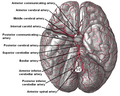 Arteries beneath the brain
 -
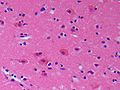 Histological image of acute stroke
 -
 Polymicrogyria with arrows indicating affected areas

Ad. Transform your health with W8MD Weight Loss, Sleep & MedSpa

Tired of being overweight?
Special offer:
Budget GLP-1 weight loss medications
- Semaglutide starting from $29.99/week and up with insurance for visit of $59.99 and up per week self pay.
- Tirzepatide starting from $45.00/week and up (dose dependent) or $69.99/week and up self pay
✔ Same-week appointments, evenings & weekends
Learn more:
- GLP-1 weight loss clinic NYC
- W8MD's NYC medical weight loss
- W8MD Philadelphia GLP-1 shots
- Philadelphia GLP-1 injections
- Affordable GLP-1 shots NYC
|
WikiMD Medical Encyclopedia |
Medical Disclaimer: WikiMD is for informational purposes only and is not a substitute for professional medical advice. Content may be inaccurate or outdated and should not be used for diagnosis or treatment. Always consult your healthcare provider for medical decisions. Verify information with trusted sources such as CDC.gov and NIH.gov. By using this site, you agree that WikiMD is not liable for any outcomes related to its content. See full disclaimer.
Credits:Most images are courtesy of Wikimedia commons, and templates, categories Wikipedia, licensed under CC BY SA or similar.
Translate this page: - East Asian
中文,
日本,
한국어,
South Asian
हिन्दी,
தமிழ்,
తెలుగు,
Urdu,
ಕನ್ನಡ,
Southeast Asian
Indonesian,
Vietnamese,
Thai,
မြန်မာဘာသာ,
বাংলা
European
español,
Deutsch,
français,
Greek,
português do Brasil,
polski,
română,
русский,
Nederlands,
norsk,
svenska,
suomi,
Italian
Middle Eastern & African
عربى,
Turkish,
Persian,
Hebrew,
Afrikaans,
isiZulu,
Kiswahili,
Other
Bulgarian,
Hungarian,
Czech,
Swedish,
മലയാളം,
मराठी,
ਪੰਜਾਬੀ,
ગુજરાતી,
Portuguese,
Ukrainian
