SDHA
SBDS
The SBDS gene is a critical component in human biology, primarily associated with the rare genetic disorder known as Shwachman-Diamond syndrome. This article provides an in-depth exploration of the SBDS gene, its functions, associated disorders, and its significance in medical research.
Overview
The SBDS gene is located on chromosome 7 at the 7q11 locus. It encodes a protein that is essential for the proper functioning of the ribosome, the cellular machinery responsible for protein synthesis. The SBDS protein is involved in ribosomal biogenesis and the maturation of the 60S ribosomal subunit.
Function
The primary function of the SBDS protein is to facilitate the assembly and stability of the ribosome. It plays a crucial role in the maturation of the 60S ribosomal subunit, which is necessary for the translation of mRNA into proteins. The SBDS protein is also implicated in cellular processes such as cell cycle regulation and response to cellular stress.
Clinical Significance
Mutations in the SBDS gene are known to cause Shwachman-Diamond syndrome, a rare autosomal recessive disorder characterized by exocrine pancreatic insufficiency, bone marrow dysfunction, and skeletal abnormalities. Patients with Shwachman-Diamond syndrome often present with neutropenia, anemia, and an increased risk of leukemia.
Shwachman-Diamond Syndrome
Shwachman-Diamond syndrome (SDS) is a multisystem disorder with a wide range of clinical manifestations. The most common features include:
- Hematological abnormalities: Neutropenia is the most frequent hematological finding, but patients may also experience anemia and thrombocytopenia.
- Pancreatic insufficiency: This leads to malabsorption and failure to thrive in affected individuals.
- Skeletal abnormalities: These can include metaphyseal dysostosis and short stature.
- Increased risk of malignancies: Particularly acute myeloid leukemia (AML) and myelodysplastic syndrome (MDS).
Genetics
The SBDS gene consists of five exons and spans approximately 7.9 kb of genomic DNA. It is highly conserved across species, indicating its essential role in cellular function. Mutations in the SBDS gene that lead to Shwachman-Diamond syndrome are typically point mutations, small deletions, or insertions that result in a loss of function of the SBDS protein.
Research and Therapeutic Approaches
Research into the SBDS gene and its associated protein is ongoing, with a focus on understanding the molecular mechanisms underlying Shwachman-Diamond syndrome and developing potential therapeutic strategies. Current approaches include gene therapy, small molecule drugs to enhance ribosomal function, and hematopoietic stem cell transplantation for severe hematological manifestations.
Also see

This medical genetics related article is a stub. You can help WikiMD by expanding it.
-
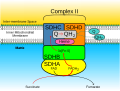 Succ Deh

Ad. Transform your life with W8MD's Budget GLP-1 injections from $49.99


W8MD offers a medical weight loss program to lose weight in Philadelphia. Our physician-supervised medical weight loss provides:
- Weight loss injections in NYC (generic and brand names):
- Zepbound / Mounjaro, Wegovy / Ozempic, Saxenda
- Most insurances accepted or discounted self-pay rates. We will obtain insurance prior authorizations if needed.
- Generic GLP1 weight loss injections from $49.99 for the starting dose of Semaglutide and $65.00 for Tirzepatide.
- Also offer prescription weight loss medications including Phentermine, Qsymia, Diethylpropion, Contrave etc.
NYC weight loss doctor appointmentsNYC weight loss doctor appointments
Start your NYC weight loss journey today at our NYC medical weight loss and Philadelphia medical weight loss clinics.
- Call 718-946-5500 to lose weight in NYC or for medical weight loss in Philadelphia 215-676-2334.
- Tags:NYC medical weight loss, Philadelphia lose weight Zepbound NYC, Budget GLP1 weight loss injections, Wegovy Philadelphia, Wegovy NYC, Philadelphia medical weight loss, Brookly weight loss and Wegovy NYC


|
WikiMD's Wellness Encyclopedia |
| Let Food Be Thy Medicine Medicine Thy Food - Hippocrates |
Medical Disclaimer: WikiMD is not a substitute for professional medical advice. The information on WikiMD is provided as an information resource only, may be incorrect, outdated or misleading, and is not to be used or relied on for any diagnostic or treatment purposes. Please consult your health care provider before making any healthcare decisions or for guidance about a specific medical condition. WikiMD expressly disclaims responsibility, and shall have no liability, for any damages, loss, injury, or liability whatsoever suffered as a result of your reliance on the information contained in this site. By visiting this site you agree to the foregoing terms and conditions, which may from time to time be changed or supplemented by WikiMD. If you do not agree to the foregoing terms and conditions, you should not enter or use this site. See full disclaimer.
Credits:Most images are courtesy of Wikimedia commons, and templates, categories Wikipedia, licensed under CC BY SA or similar.
Translate this page: - East Asian
中文,
日本,
한국어,
South Asian
हिन्दी,
தமிழ்,
తెలుగు,
Urdu,
ಕನ್ನಡ,
Southeast Asian
Indonesian,
Vietnamese,
Thai,
မြန်မာဘာသာ,
বাংলা
European
español,
Deutsch,
français,
Greek,
português do Brasil,
polski,
română,
русский,
Nederlands,
norsk,
svenska,
suomi,
Italian
Middle Eastern & African
عربى,
Turkish,
Persian,
Hebrew,
Afrikaans,
isiZulu,
Kiswahili,
Other
Bulgarian,
Hungarian,
Czech,
Swedish,
മലയാളം,
मराठी,
ਪੰਜਾਬੀ,
ગુજરાતી,
Portuguese,
Ukrainian
