Pasticciotto


Pasticciotto is a traditional Italian pastry originating from the region of Apulia in southern Italy. It is particularly associated with the town of Lecce in the Salento area. The pastry is known for its distinctive oval shape and its rich, creamy filling.
History
The pasticciotto was first created in the 18th century by the Ascalone family in the town of Galatina. According to local legend, the pastry was invented by Andrea Ascalone, a pastry chef who was trying to make use of leftover ingredients. The result was a delicious pastry that quickly became popular throughout the region.
Ingredients
The main ingredients of a pasticciotto include:
- Shortcrust pastry
- Custard or pastry cream
- Egg yolk for glazing
Preparation
To prepare a pasticciotto, the shortcrust pastry is rolled out and used to line small, oval-shaped molds. The molds are then filled with custard or pastry cream, and a second layer of pastry is placed on top. The edges are sealed, and the top is brushed with egg yolk to give it a golden color when baked. The pasticciotto is then baked until the pastry is crisp and the filling is set.
Variations
While the traditional filling for a pasticciotto is custard, there are several variations that include different types of fillings such as:
Cultural Significance
Pasticciotto is not only a popular dessert in Apulia but also a symbol of the region's culinary heritage. It is often enjoyed with a cup of espresso or cappuccino and is a staple in local bakeries and cafes.
Related Pastries
See Also
References
External Links


-
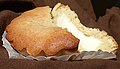 Pasticciotto filled with ricotta cheese
 -
 Pasticciotto Galatina
 -
 Cardinali e pasticciotti di Patti

Ad. Transform your life with W8MD's
GLP-1 weight loss injections special from $29.99 with insurance
|
WikiMD Medical Encyclopedia |
Medical Disclaimer: WikiMD is for informational purposes only and is not a substitute for professional medical advice. Content may be inaccurate or outdated and should not be used for diagnosis or treatment. Always consult your healthcare provider for medical decisions. Verify information with trusted sources such as CDC.gov and NIH.gov. By using this site, you agree that WikiMD is not liable for any outcomes related to its content. See full disclaimer.
Credits:Most images are courtesy of Wikimedia commons, and templates, categories Wikipedia, licensed under CC BY SA or similar.
Translate this page: - East Asian
中文,
日本,
한국어,
South Asian
हिन्दी,
தமிழ்,
తెలుగు,
Urdu,
ಕನ್ನಡ,
Southeast Asian
Indonesian,
Vietnamese,
Thai,
မြန်မာဘာသာ,
বাংলা
European
español,
Deutsch,
français,
Greek,
português do Brasil,
polski,
română,
русский,
Nederlands,
norsk,
svenska,
suomi,
Italian
Middle Eastern & African
عربى,
Turkish,
Persian,
Hebrew,
Afrikaans,
isiZulu,
Kiswahili,
Other
Bulgarian,
Hungarian,
Czech,
Swedish,
മലയാളം,
मराठी,
ਪੰਜਾਬੀ,
ગુજરાતી,
Portuguese,
Ukrainian
