Manapua


Manapua is a popular Hawaiian dish that consists of a steamed or baked bun filled with various ingredients. It is a local adaptation of the Chinese char siu bao, which is a type of dim sum.
Etymology
The term "manapua" is derived from the Hawaiian phrase "mea ʻono puaʻa," which translates to "delicious pork thing." Over time, the name was shortened to "manapua."
History
Manapua has its origins in the influx of Chinese immigrants to Hawaii during the 19th century. These immigrants brought with them their culinary traditions, including the char siu bao. The dish was adapted to local tastes and ingredients, resulting in the unique Hawaiian version known as manapua.
Ingredients
Traditional manapua is filled with char siu, a type of Chinese barbecued pork. However, modern variations can include a wide range of fillings such as:
- Chicken
- Curry
- Sweet potato
- Taro
- Lup cheong (Chinese sausage)
- Vegetables
The dough for manapua can be either steamed or baked, each method giving the bun a different texture and flavor.
Preparation
The preparation of manapua involves making the dough, preparing the filling, and then assembling and cooking the buns. The dough is typically made from flour, sugar, yeast, and water. The filling is prepared separately and then placed inside the dough, which is then sealed and either steamed or baked.
Cultural Significance
Manapua is a staple in Hawaiian cuisine and is commonly found at local bakeries, food trucks, and convenience stores. It is often enjoyed as a snack or a light meal. The dish is also popular at family gatherings and celebrations.
Similar Dishes
Manapua is similar to other filled buns found in various cuisines around the world, such as:
See Also
References
External Links


-
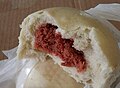 Manapua
 -
 Baked Manapua
 -
 Manapua
Ad. Transform your life with W8MD's
GLP-1 weight loss injections special from $29.99 with insurance
|
WikiMD Medical Encyclopedia |
Medical Disclaimer: WikiMD is for informational purposes only and is not a substitute for professional medical advice. Content may be inaccurate or outdated and should not be used for diagnosis or treatment. Always consult your healthcare provider for medical decisions. Verify information with trusted sources such as CDC.gov and NIH.gov. By using this site, you agree that WikiMD is not liable for any outcomes related to its content. See full disclaimer.
Credits:Most images are courtesy of Wikimedia commons, and templates, categories Wikipedia, licensed under CC BY SA or similar.
Translate this page: - East Asian
中文,
日本,
한국어,
South Asian
हिन्दी,
தமிழ்,
తెలుగు,
Urdu,
ಕನ್ನಡ,
Southeast Asian
Indonesian,
Vietnamese,
Thai,
မြန်မာဘာသာ,
বাংলা
European
español,
Deutsch,
français,
Greek,
português do Brasil,
polski,
română,
русский,
Nederlands,
norsk,
svenska,
suomi,
Italian
Middle Eastern & African
عربى,
Turkish,
Persian,
Hebrew,
Afrikaans,
isiZulu,
Kiswahili,
Other
Bulgarian,
Hungarian,
Czech,
Swedish,
മലയാളം,
मराठी,
ਪੰਜਾਬੀ,
ગુજરાતી,
Portuguese,
Ukrainian
