Smoking in Sweden
Smoking in Sweden has been the subject of public health policies and cultural practices that have evolved significantly over the years. Sweden is known for its unique approach to reducing the harm caused by tobacco use, particularly through the promotion of snus, a type of smokeless tobacco product. This article explores the history, current trends, and public health policies related to smoking in Sweden.
History
The history of smoking in Sweden dates back to the early 20th century when tobacco use became widespread across Europe. Initially, smoking was a common practice among Swedish men, while snus was used in both rural and urban areas. Over the decades, the Swedish government and public health organizations have implemented various measures to reduce smoking rates and mitigate the health risks associated with tobacco use.
Current Trends
As of the latest data, Sweden boasts one of the lowest smoking rates in Europe. This achievement is often attributed to the widespread use of snus, which is perceived as a less harmful alternative to cigarettes. The prevalence of snus has led to a unique tobacco consumption pattern in the country, where traditional smoking is less common compared to other European nations.
Public Health Policies
The Swedish government has implemented a comprehensive set of public health policies aimed at reducing tobacco use. These include:
- **Legislation:** Laws regulating the sale, advertising, and use of tobacco products. Smoking is banned in public places, including restaurants and bars, to protect non-smokers from second-hand smoke. - **Taxation:** High taxes on cigarettes and other smoking products to discourage use. - **Education:** Public health campaigns aimed at educating the population about the risks of smoking and promoting smoke-free lifestyles. - **Harm Reduction:** Promotion of snus as a less harmful alternative to smoking, although this approach has been subject to debate among public health experts.
Controversies and Challenges
The Swedish model of tobacco harm reduction, particularly the promotion of snus, has been both praised and criticized. Proponents argue that snus has played a crucial role in reducing smoking rates and associated health problems. Critics, however, caution against the potential health risks of snus and argue that it should not be promoted as a safe alternative to smoking.
Future Directions
The future of smoking in Sweden may involve further reductions in smoking rates through continued public health efforts, including stricter regulations on tobacco products, increased taxes, and ongoing public education campaigns. Additionally, the debate over the role of snus in tobacco harm reduction is likely to continue, influencing both national policy and the broader public health discourse on smoking and tobacco use.
| Health care | ||||||||||
|---|---|---|---|---|---|---|---|---|---|---|
* Category
|
-
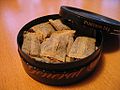 Snus
Snus

Ad. Transform your health with W8MD Weight Loss, Sleep & MedSpa

Tired of being overweight?
Special offer:
Budget GLP-1 weight loss medications
- Semaglutide starting from $29.99/week and up with insurance for visit of $59.99 and up per week self pay.
- Tirzepatide starting from $45.00/week and up (dose dependent) or $69.99/week and up self pay
✔ Same-week appointments, evenings & weekends
Learn more:
- GLP-1 weight loss clinic NYC
- W8MD's NYC medical weight loss
- W8MD Philadelphia GLP-1 shots
- Philadelphia GLP-1 injections
- Affordable GLP-1 shots NYC
|
WikiMD Medical Encyclopedia |
Medical Disclaimer: WikiMD is for informational purposes only and is not a substitute for professional medical advice. Content may be inaccurate or outdated and should not be used for diagnosis or treatment. Always consult your healthcare provider for medical decisions. Verify information with trusted sources such as CDC.gov and NIH.gov. By using this site, you agree that WikiMD is not liable for any outcomes related to its content. See full disclaimer.
Credits:Most images are courtesy of Wikimedia commons, and templates, categories Wikipedia, licensed under CC BY SA or similar.
Translate this page: - East Asian
中文,
日本,
한국어,
South Asian
हिन्दी,
தமிழ்,
తెలుగు,
Urdu,
ಕನ್ನಡ,
Southeast Asian
Indonesian,
Vietnamese,
Thai,
မြန်မာဘာသာ,
বাংলা
European
español,
Deutsch,
français,
Greek,
português do Brasil,
polski,
română,
русский,
Nederlands,
norsk,
svenska,
suomi,
Italian
Middle Eastern & African
عربى,
Turkish,
Persian,
Hebrew,
Afrikaans,
isiZulu,
Kiswahili,
Other
Bulgarian,
Hungarian,
Czech,
Swedish,
മലയാളം,
मराठी,
ਪੰਜਾਬੀ,
ગુજરાતી,
Portuguese,
Ukrainian
