Histamine liberators
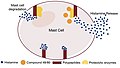
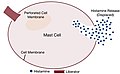
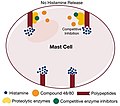
Histamine Liberators are substances that have the ability to provoke the release of histamine from mast cells and basophils. Histamine is a nitrogenous compound involved in local immune responses, regulating physiological function in the gut, and acting as a neurotransmitter. The release of histamine by histamine liberators plays a significant role in various allergic reactions and some pathological conditions.
Overview
Histamine liberators can be found in a wide range of substances, including certain foods, medications, and environmental triggers. When these substances enter the body, they can cause mast cells and basophils to release histamine, leading to various physiological effects. These effects can range from mild symptoms like itching and hives to more severe reactions such as anaphylaxis, a potentially life-threatening condition.
Mechanism of Action
The mechanism by which histamine liberators induce the release of histamine is not entirely understood and may vary among different substances. However, it generally involves the interaction of the liberator with the cell membrane of mast cells or basophils, leading to a cascade of intracellular events that result in the exocytosis of histamine stored in intracellular granules.
Common Histamine Liberators
Some common histamine liberators include:
- Certain foods, such as strawberries, tomatoes, and shellfish
- Medications, including morphine, vancomycin, and certain muscle relaxants
- Environmental triggers, such as insect stings and latex
Clinical Significance
The release of histamine by histamine liberators is a key factor in the development of allergic reactions. Understanding the role of these substances in histamine release can help in the diagnosis and management of allergic conditions. In some cases, avoiding known histamine liberators can be an effective strategy for preventing allergic reactions.
Management
Management of conditions related to the release of histamine by histamine liberators involves both pharmacological and non-pharmacological approaches. Antihistamines are commonly used to block the effects of histamine, providing relief from symptoms. In cases where avoidance of histamine liberators is not possible or practical, desensitization therapies may be considered.

-
 Histamine liberators
 -
 Histamine liberators
 -
 Histamine liberators


Ad. Transform your life with W8MD's
GLP-1 weight loss injections special from $29.99 with insurance
|
WikiMD Medical Encyclopedia |
Medical Disclaimer: WikiMD is for informational purposes only and is not a substitute for professional medical advice. Content may be inaccurate or outdated and should not be used for diagnosis or treatment. Always consult your healthcare provider for medical decisions. Verify information with trusted sources such as CDC.gov and NIH.gov. By using this site, you agree that WikiMD is not liable for any outcomes related to its content. See full disclaimer.
Credits:Most images are courtesy of Wikimedia commons, and templates, categories Wikipedia, licensed under CC BY SA or similar.
Translate this page: - East Asian
中文,
日本,
한국어,
South Asian
हिन्दी,
தமிழ்,
తెలుగు,
Urdu,
ಕನ್ನಡ,
Southeast Asian
Indonesian,
Vietnamese,
Thai,
မြန်မာဘာသာ,
বাংলা
European
español,
Deutsch,
français,
Greek,
português do Brasil,
polski,
română,
русский,
Nederlands,
norsk,
svenska,
suomi,
Italian
Middle Eastern & African
عربى,
Turkish,
Persian,
Hebrew,
Afrikaans,
isiZulu,
Kiswahili,
Other
Bulgarian,
Hungarian,
Czech,
Swedish,
മലയാളം,
मराठी,
ਪੰਜਾਬੀ,
ગુજરાતી,
Portuguese,
Ukrainian
