Aragh Sagi
Species of plant
Antidesma bunius, commonly known as bignay, is a species of fruit-bearing tree in the family Phyllanthaceae. It is native to Southeast Asia and northern Australia, and is cultivated for its edible fruit.
Description
Antidesma bunius is a small to medium-sized tree that can grow up to 30 meters in height. The leaves are simple, alternate, and oblong, with a glossy green appearance. The tree produces small, round fruits that are initially green, turning red and then black as they ripen. The fruits are borne in clusters and are known for their tart flavor.
Distribution and Habitat
Antidesma bunius is found in tropical regions of Southeast Asia, including the Philippines, Indonesia, and Malaysia, as well as in northern Australia. It thrives in a variety of habitats, from lowland forests to mountainous regions, and is often found in secondary forests and disturbed areas.
Uses
The fruits of Antidesma bunius are edible and are often used in the preparation of jams, jellies, and wines. The fruit is rich in antioxidants and vitamins, making it a popular choice for health-conscious consumers. In the Philippines, the fruit is commonly used to make a local wine known as bugnay wine.
Cultivation
Antidesma bunius is cultivated for its fruit in many parts of Southeast Asia. The tree is relatively easy to grow and can be propagated from seeds or cuttings. It prefers well-drained soil and a sunny location, although it can tolerate partial shade.
Gallery
-
 Ripe bignay fruit
 -
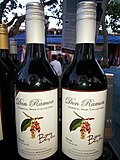 Bugnay wine made from Antidesma bunius


Related pages
Ad. Transform your life with W8MD's
GLP-1 weight loss injections special from $29.99 with insurance
|
WikiMD Medical Encyclopedia |
Medical Disclaimer: WikiMD is for informational purposes only and is not a substitute for professional medical advice. Content may be inaccurate or outdated and should not be used for diagnosis or treatment. Always consult your healthcare provider for medical decisions. Verify information with trusted sources such as CDC.gov and NIH.gov. By using this site, you agree that WikiMD is not liable for any outcomes related to its content. See full disclaimer.
Credits:Most images are courtesy of Wikimedia commons, and templates, categories Wikipedia, licensed under CC BY SA or similar.
Translate this page: - East Asian
中文,
日本,
한국어,
South Asian
हिन्दी,
தமிழ்,
తెలుగు,
Urdu,
ಕನ್ನಡ,
Southeast Asian
Indonesian,
Vietnamese,
Thai,
မြန်မာဘာသာ,
বাংলা
European
español,
Deutsch,
français,
Greek,
português do Brasil,
polski,
română,
русский,
Nederlands,
norsk,
svenska,
suomi,
Italian
Middle Eastern & African
عربى,
Turkish,
Persian,
Hebrew,
Afrikaans,
isiZulu,
Kiswahili,
Other
Bulgarian,
Hungarian,
Czech,
Swedish,
മലയാളം,
मराठी,
ਪੰਜਾਬੀ,
ગુજરાતી,
Portuguese,
Ukrainian
