Karashi
Karashi is a type of Japanese condiment that is commonly used in a variety of dishes. It is a spicy mustard that is known for its strong and distinctive flavor.
History
Karashi has been a staple in Japanese cuisine for centuries. It was first introduced to Japan from China during the Nara period, and has since become a popular condiment in many traditional Japanese dishes.
Production
Karashi is made from the crushed seeds of the Brassica juncea, a type of mustard plant. The seeds are ground into a powder, which is then mixed with water to create a paste. The paste is then allowed to ferment for several days, which enhances its spicy flavor.
Usage
Karashi is often used as a condiment for dishes such as sushi, sashimi, and natto. It is also commonly used in the preparation of o-den, a type of Japanese stew. In addition, karashi is often mixed with mayonnaise to create a sauce known as karashi mayonnaise, which is used in a variety of dishes.
Health Benefits
Karashi is known to have several health benefits. It is rich in vitamin C and antioxidants, which can help to boost the immune system. It also contains capsaicin, a compound that has been shown to have anti-inflammatory and pain-relieving properties.
See Also

This article is a Japanese cuisine stub. You can help WikiMD by expanding it!

-
 Natto with Welsh onion and karashi
 -
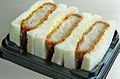 Katsu Sando
 -
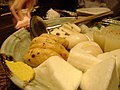 Oden in Ebisu, Tokyo
 -
 Shaomai from Yokohama
 -
 Karashi Renkon


Ad. Transform your life with W8MD's
GLP-1 weight loss injections special from $29.99 with insurance
|
WikiMD Medical Encyclopedia |
Medical Disclaimer: WikiMD is for informational purposes only and is not a substitute for professional medical advice. Content may be inaccurate or outdated and should not be used for diagnosis or treatment. Always consult your healthcare provider for medical decisions. Verify information with trusted sources such as CDC.gov and NIH.gov. By using this site, you agree that WikiMD is not liable for any outcomes related to its content. See full disclaimer.
Credits:Most images are courtesy of Wikimedia commons, and templates, categories Wikipedia, licensed under CC BY SA or similar.
Translate this page: - East Asian
中文,
日本,
한국어,
South Asian
हिन्दी,
தமிழ்,
తెలుగు,
Urdu,
ಕನ್ನಡ,
Southeast Asian
Indonesian,
Vietnamese,
Thai,
မြန်မာဘာသာ,
বাংলা
European
español,
Deutsch,
français,
Greek,
português do Brasil,
polski,
română,
русский,
Nederlands,
norsk,
svenska,
suomi,
Italian
Middle Eastern & African
عربى,
Turkish,
Persian,
Hebrew,
Afrikaans,
isiZulu,
Kiswahili,
Other
Bulgarian,
Hungarian,
Czech,
Swedish,
മലയാളം,
मराठी,
ਪੰਜਾਬੀ,
ગુજરાતી,
Portuguese,
Ukrainian
