Pelvic girdle pain: Difference between revisions
CSV import |
CSV import |
||
| Line 1: | Line 1: | ||
{{SI}} | |||
{{Infobox medical condition | |||
| name = Pelvic girdle pain | |||
| image = [[File:Gray321.png|250px]] | |||
| caption = Illustration of the pelvic girdle | |||
| synonyms = PGP | |||
| specialty = [[Orthopedics]], [[Rheumatology]], [[Obstetrics]] | |||
| symptoms = Pain in the [[pelvic region]], [[lower back pain]], [[hip pain]] | |||
| onset = [[Pregnancy]], [[postpartum period]], [[trauma]] | |||
| duration = Varies, can be [[chronic pain|chronic]] | |||
| causes = [[Pregnancy]], [[pelvic joint dysfunction]], [[trauma]] | |||
| risks = [[Pregnancy]], [[previous pelvic injury]], [[obesity]] | |||
| diagnosis = [[Clinical assessment]], [[imaging studies]] | |||
| differential = [[Sciatica]], [[hip osteoarthritis]], [[sacroiliitis]] | |||
| treatment = [[Physical therapy]], [[pain management]], [[exercise]] | |||
| medication = [[Analgesics]], [[NSAIDs]] | |||
| prognosis = Generally good with treatment, but can be chronic | |||
| frequency = Common in [[pregnancy]] | |||
}} | |||
'''Pelvic Girdle Pain''' ('''PGP'''), formerly known as '''Symphysis Pubis Dysfunction''' ('''SPD'''), is a condition associated with discomfort and pain in the pelvic region. It is particularly prevalent among pregnant women, although it can affect individuals of any gender and at any stage of life. The pain primarily arises from the instability or stiffness of the pelvic joints at either the back or front of the pelvis. | '''Pelvic Girdle Pain''' ('''PGP'''), formerly known as '''Symphysis Pubis Dysfunction''' ('''SPD'''), is a condition associated with discomfort and pain in the pelvic region. It is particularly prevalent among pregnant women, although it can affect individuals of any gender and at any stage of life. The pain primarily arises from the instability or stiffness of the pelvic joints at either the back or front of the pelvis. | ||
==Causes and Risk Factors== | ==Causes and Risk Factors== | ||
PGP is caused by a combination of factors that may include hormonal changes, particularly during [[pregnancy]], which lead to the relaxation of ligaments and joints in the pelvic area. Additional risk factors include a history of lower back or pelvic pain, trauma to the pelvis, and activities that place uneven pressure on the pelvis, such as carrying a child on one hip or engaging in asymmetrical sports activities. | PGP is caused by a combination of factors that may include hormonal changes, particularly during [[pregnancy]], which lead to the relaxation of ligaments and joints in the pelvic area. Additional risk factors include a history of lower back or pelvic pain, trauma to the pelvis, and activities that place uneven pressure on the pelvis, such as carrying a child on one hip or engaging in asymmetrical sports activities. | ||
==Symptoms== | ==Symptoms== | ||
The symptoms of PGP can vary but often include: | The symptoms of PGP can vary but often include: | ||
| Line 11: | Line 28: | ||
* Clicking or grinding in the pelvic area | * Clicking or grinding in the pelvic area | ||
* Pain during sexual activity | * Pain during sexual activity | ||
==Diagnosis== | ==Diagnosis== | ||
Diagnosis of PGP involves a thorough medical history and physical examination by a healthcare provider. Imaging tests are not typically used to diagnose PGP but may be employed to rule out other conditions. | Diagnosis of PGP involves a thorough medical history and physical examination by a healthcare provider. Imaging tests are not typically used to diagnose PGP but may be employed to rule out other conditions. | ||
==Treatment== | ==Treatment== | ||
Treatment for PGP aims to alleviate pain and improve the individual's functional ability. Approaches may include: | Treatment for PGP aims to alleviate pain and improve the individual's functional ability. Approaches may include: | ||
| Line 21: | Line 36: | ||
* Pain relief methods such as [[acupuncture]], [[hydrotherapy]], and the use of analgesics | * Pain relief methods such as [[acupuncture]], [[hydrotherapy]], and the use of analgesics | ||
* Modifications to daily activities to avoid movements that exacerbate the pain | * Modifications to daily activities to avoid movements that exacerbate the pain | ||
==Prevention== | ==Prevention== | ||
Preventative measures for PGP include maintaining a healthy weight, engaging in regular, balanced exercise, and avoiding activities that strain the pelvis asymmetrically. | Preventative measures for PGP include maintaining a healthy weight, engaging in regular, balanced exercise, and avoiding activities that strain the pelvis asymmetrically. | ||
==Prognosis== | ==Prognosis== | ||
The prognosis for individuals with PGP varies. Many women experience significant improvement postpartum, although some may continue to have persistent pain. Early intervention and treatment can improve the outcome. | The prognosis for individuals with PGP varies. Many women experience significant improvement postpartum, although some may continue to have persistent pain. Early intervention and treatment can improve the outcome. | ||
== Gallery == | |||
== | |||
<gallery> | <gallery> | ||
File:Gray320.png|Pelvic girdle pain | File:Gray320.png|Pelvic girdle pain | ||
File:Gray319.png|Pelvic girdle pain | File:Gray319.png|Pelvic girdle pain | ||
| Line 41: | Line 47: | ||
File:Blausen_0723_Pelvis.png|Pelvic girdle pain | File:Blausen_0723_Pelvis.png|Pelvic girdle pain | ||
</gallery> | </gallery> | ||
[[Category:Musculoskeletal disorders]] | |||
[[Category:Pregnancy-related conditions]] | |||
[[Category:Pain]] | |||
{{ disease-stub}} | |||
Latest revision as of 07:15, 6 April 2025

Editor-In-Chief: Prab R Tumpati, MD
Obesity, Sleep & Internal medicine
Founder, WikiMD Wellnesspedia &
W8MD's medical weight loss NYC, sleep center NYC
Philadelphia medical weight loss and Philadelphia sleep clinics
| Pelvic girdle pain | |
|---|---|

| |
| Synonyms | PGP |
| Pronounce | N/A |
| Specialty | Orthopedics, Rheumatology, Obstetrics |
| Symptoms | Pain in the pelvic region, lower back pain, hip pain |
| Complications | N/A |
| Onset | Pregnancy, postpartum period, trauma |
| Duration | Varies, can be chronic |
| Types | N/A |
| Causes | Pregnancy, pelvic joint dysfunction, trauma |
| Risks | Pregnancy, previous pelvic injury, obesity |
| Diagnosis | Clinical assessment, imaging studies |
| Differential diagnosis | Sciatica, hip osteoarthritis, sacroiliitis |
| Prevention | N/A |
| Treatment | Physical therapy, pain management, exercise |
| Medication | Analgesics, NSAIDs |
| Prognosis | Generally good with treatment, but can be chronic |
| Frequency | Common in pregnancy |
| Deaths | N/A |
Pelvic Girdle Pain (PGP), formerly known as Symphysis Pubis Dysfunction (SPD), is a condition associated with discomfort and pain in the pelvic region. It is particularly prevalent among pregnant women, although it can affect individuals of any gender and at any stage of life. The pain primarily arises from the instability or stiffness of the pelvic joints at either the back or front of the pelvis.
Causes and Risk Factors[edit]
PGP is caused by a combination of factors that may include hormonal changes, particularly during pregnancy, which lead to the relaxation of ligaments and joints in the pelvic area. Additional risk factors include a history of lower back or pelvic pain, trauma to the pelvis, and activities that place uneven pressure on the pelvis, such as carrying a child on one hip or engaging in asymmetrical sports activities.
Symptoms[edit]
The symptoms of PGP can vary but often include:
- Pain in the front and/or back of the pelvis
- Pain radiating to the lower back, thighs, or perineum
- Difficulty with activities that involve lifting one leg, such as climbing stairs, walking, or getting in and out of a car
- Clicking or grinding in the pelvic area
- Pain during sexual activity
Diagnosis[edit]
Diagnosis of PGP involves a thorough medical history and physical examination by a healthcare provider. Imaging tests are not typically used to diagnose PGP but may be employed to rule out other conditions.
Treatment[edit]
Treatment for PGP aims to alleviate pain and improve the individual's functional ability. Approaches may include:
- Physical therapy focusing on strengthening the pelvic floor, abdominal, back, and hip muscles
- Use of pelvic support belts
- Pain relief methods such as acupuncture, hydrotherapy, and the use of analgesics
- Modifications to daily activities to avoid movements that exacerbate the pain
Prevention[edit]
Preventative measures for PGP include maintaining a healthy weight, engaging in regular, balanced exercise, and avoiding activities that strain the pelvis asymmetrically.
Prognosis[edit]
The prognosis for individuals with PGP varies. Many women experience significant improvement postpartum, although some may continue to have persistent pain. Early intervention and treatment can improve the outcome.
Gallery[edit]
-
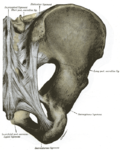 Pelvic girdle pain
 -
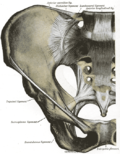 Pelvic girdle pain
 -
 Pelvic girdle pain
 -
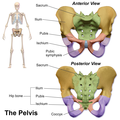 Pelvic girdle pain


