Herb grinder: Difference between revisions
CSV import |
CSV import |
||
| Line 34: | Line 34: | ||
[[Category:Horticulture]] | [[Category:Horticulture]] | ||
{{Gardening-stub}} | {{Gardening-stub}} | ||
<gallery> | |||
File:Gears-Store-herb-grinder.jpg|Gears Store herb grinder | |||
File:Crusher_for_tobacco_or_marijuana_(1).jpg|Crusher for tobacco or marijuana | |||
File:Space_Case_Pollen_Catcher.jpg|Space Case Pollen Catcher | |||
File:Kiefy_Kief_Catch.JPG|Kiefy Kief Catch | |||
</gallery> | |||
Latest revision as of 21:34, 20 February 2025
Herb Garden
An herb garden is a type of garden specifically dedicated to growing herbs. Herbs are plants with savory or aromatic properties that are used for flavoring and garnishing food, for medicinal purposes, or for fragrances. Herb gardens can be grown both indoors and outdoors, and can be as small as a windowsill pot or as large as a backyard garden.
History[edit]
The practice of cultivating herbs dates back to ancient civilizations. In Ancient Egypt, herbs were used for their medicinal properties and were often incorporated into religious rituals. The Ancient Greeks and Romans also valued herbs for their culinary and medicinal uses. Monastic medieval herb gardens were known as "physic gardens" due to their focus on medicinal herbs.
Types of Herbs[edit]
There are many types of herbs that can be grown in an herb garden, including culinary herbs, medicinal herbs, and aromatic herbs. Culinary herbs, such as basil, parsley, and rosemary, are used to flavor foods. Medicinal herbs, such as echinacea, chamomile, and mint, have healing properties and can be used to make teas, tinctures, and other remedies. Aromatic herbs, such as lavender, lemon balm, and sage, are valued for their fragrant leaves and flowers.
Designing an Herb Garden[edit]
When designing an herb garden, it's important to consider factors such as sunlight, soil type, and the specific needs of each herb. Most herbs prefer full sun and well-drained soil. It's also important to group herbs with similar needs together. For example, Mediterranean herbs like rosemary, sage, and thyme prefer dry conditions, while herbs like parsley and mint prefer more moisture.
Benefits of an Herb Garden[edit]
Growing an herb garden has many benefits. It provides a readily available supply of fresh herbs for cooking, can offer natural remedies for common ailments, and can add beauty and fragrance to a home or yard. Additionally, gardening can be a relaxing and rewarding hobby.
See Also[edit]
References[edit]
<references group="" responsive="1"></references>

This article is a horticulture stub. You can help WikiMD by expanding it!
-
 Gears Store herb grinder
 -
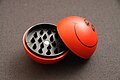 Crusher for tobacco or marijuana
 -
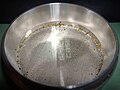 Space Case Pollen Catcher
 -
 Kiefy Kief Catch

.jpg)


