Biluochun: Difference between revisions
CSV import |
CSV import |
||
| Line 22: | Line 22: | ||
{{Chinese-tea-stub}} | {{Chinese-tea-stub}} | ||
{{food-stub}} | {{food-stub}} | ||
<gallery> | |||
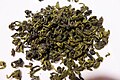
File:Suzhou_Biluochun_苏州碧螺春.jpg|Suzhou Biluochun | |||
</gallery> | |||
Latest revision as of 21:28, 20 February 2025
Biluochun is a famous green tea originally grown in the Dongting mountain region near Lake Tai, Jiangsu, China. Also known as Pi Lo Chun, it is renowned for its delicate appearance, fruity taste, floral aroma, showy white hairs and early cropping.
History[edit]
The history of Biluochun dates back to the Tang Dynasty (618-907), when it was first discovered. It was originally named Xia Sha Ren Xiang (Scary Fragrance) because the tea farmers were frightened by its strong aroma. The name was later changed to Biluochun by the Kangxi Emperor in the Qing Dynasty (1644-1912) after he tasted the tea and was impressed by its extraordinary quality.
Production[edit]
Biluochun is renowned for its unique production process which involves plucking the tea leaves early in the spring. The leaves are then rolled into a tight spiral, resembling snail meat, which is how Biluochun got its name (Biluochun translates to "Green Snail Spring"). The tea leaves are hand-picked and it takes approximately 14,000 to 15,000 leaves to produce just one kilogram of finished tea.
Taste and Aroma[edit]
Biluochun is famous for its delicate, fruity taste and floral aroma. The tea has a bright green color and a strong, lasting aroma that is both fresh and clean. The taste is smooth and sweet, with a hint of fruitiness.
Health Benefits[edit]
Like other green teas, Biluochun is rich in catechins, vitamin C, amino acids, and antioxidants, which are beneficial for health. Regular consumption of Biluochun can help reduce the risk of heart disease, lower blood pressure, aid in digestion, and boost the immune system.
See Also[edit]
   [[File:Tea in different grades in a tea shop in Hangzhou, China.jpg|frameless|25px|left|alt=Stub icon]]
   This article is a Chinese tea stub. You can help WikiMD by expanding it!

-
 Suzhou Biluochun

