Biological aspects of fluorine: Difference between revisions
CSV import Tags: mobile edit mobile web edit |
CSV import |
||
| Line 27: | Line 27: | ||
{{Chemistry-stub}} | {{Chemistry-stub}} | ||
<gallery> | |||
File:PET-MIPS-anim.gif|Biological aspects of fluorine | |||
File:US Navy 090526-F-1333S-023 A service member embarked aboard the Military Sealift Command hospital ship USNS Comfort (T-AH 20) gives a Fluoride treatment to a patient during a Continuing Promise 2009 medical civil service projec.jpg|Biological aspects of fluorine | |||
File:Prozac pills.jpg|Biological aspects of fluorine | |||
File:Atorvastatin-3D-vdW.png|Biological aspects of fluorine | |||
File:Fluorouracil-3D-vdW.png|Biological aspects of fluorine | |||
File:Fludrocortisone-from-xtal-1972-matt-3D-sf.png|Biological aspects of fluorine | |||
File:Isoflurane-3D-vdW.png|Biological aspects of fluorine | |||
File:PET scan-normal brain-alzheimers disease brain.PNG|Biological aspects of fluorine | |||
File:Perflubron and gentamicin molecules.png|Biological aspects of fluorine | |||
File:1080PoisonWarning gobeirne.png|Biological aspects of fluorine | |||
File:Gifblaar.jpg|Biological aspects of fluorine | |||
File:DOT hazmat signs - Fluorine.svg|Biological aspects of fluorine | |||
</gallery> | |||
Latest revision as of 01:20, 20 February 2025
Biological aspects of fluorine refers to the role and impact of the chemical element fluorine in biological systems. Fluorine, with the symbol F and atomic number 9, is a highly reactive, pale yellow gas at room temperature. It is the most electronegative and reactive of all the elements. In the context of biology, fluorine's effects, both beneficial and harmful, are primarily observed through its compounds rather than the element itself.
Fluorine in Biology[edit]
Fluorine is not considered an essential nutrient for humans or most living organisms. However, certain fluoride ions, which are compounds of fluorine with another element, play a significant role in dental health. The most notable form of fluoride relevant to biological systems is sodium fluoride (NaF), which is often added to drinking water, toothpaste, and various dental care products to prevent dental cavities.
Dental Health[edit]
The primary biological benefit of fluorine compounds is in dental health. Fluoride ions can become incorporated into the dental enamel, making it more resistant to acid produced by bacteria in the mouth. This process significantly reduces the incidence of dental caries (tooth decay). The mechanism involves the conversion of hydroxyapatite in the enamel to the more acid-resistant fluorapatite.
Bone Health[edit]
Fluoride has a dual role in bone health. At low levels, it can stimulate bone formation and increase bone density, potentially beneficial in treating conditions like osteoporosis. However, excessive fluoride intake can lead to skeletal fluorosis, a painful and debilitating condition characterized by stiff and brittle bones.
Fluorine in Pharmaceuticals[edit]
A significant number of pharmaceuticals contain fluorine, including several widely used drugs such as antidepressants (fluoxetine), antibiotics (ciprofloxacin), and steroids (fluticasone). Fluorine is incorporated into these compounds to enhance their stability, bioavailability, or specificity. The inclusion of fluorine can alter the drug's metabolic pathway, often leading to improved therapeutic outcomes.
Fluorine in Agriculture[edit]
In agriculture, fluorine compounds are used in pesticides and herbicides to protect crops from pests and diseases. However, the accumulation of fluoride from these sources can lead to environmental and health issues, including the contamination of soil and water sources.
Environmental and Health Concerns[edit]
While fluorine compounds have beneficial uses, they also pose environmental and health risks. High levels of fluoride in drinking water can lead to dental and skeletal fluorosis. Moreover, certain fluorinated organic compounds, such as perfluorooctanoic acid (PFOA) and perfluorooctanesulfonic acid (PFOS), are persistent environmental pollutants that have been linked to various health problems, including cancer and thyroid disease.
Conclusion[edit]
The biological aspects of fluorine encompass a wide range of effects, from beneficial applications in dental health and medicine to potential environmental and health hazards. Understanding the dual nature of fluorine's impact is essential for its safe and effective use in various fields.

-
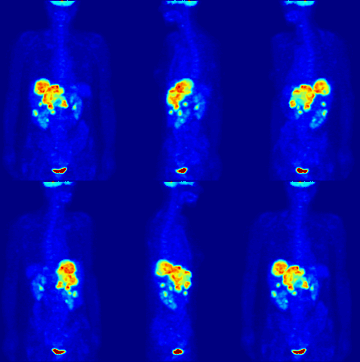 Biological aspects of fluorine
 -
 Biological aspects of fluorine
 -
 Biological aspects of fluorine
 -
 Biological aspects of fluorine
 -
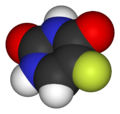 Biological aspects of fluorine
 -
 Biological aspects of fluorine
 -
 Biological aspects of fluorine
 -
 Biological aspects of fluorine
 -
 Biological aspects of fluorine
 -
 Biological aspects of fluorine
 -
 Biological aspects of fluorine
 -
 Biological aspects of fluorine

_gives_a_Fluoride_treatment_to_a_patient_during_a_Continuing_Promise_2009_medical_civil_service_projec.jpg)


