Lasagna: Difference between revisions
CSV import |
CSV import |
||
| Line 51: | Line 51: | ||
[[Category:Casseroles]] | [[Category:Casseroles]] | ||
[[Category:Cheese dishes]] | [[Category:Cheese dishes]] | ||
<gallery> | |||
File:Lasagna bolognese.jpg|Lasagna Bolognese | |||
File:Meaty Lasagna 8of8 (8736299782).jpg|Meaty Lasagna | |||
File:Lasagne.png|Lasagne | |||
File:Pasta 2006 8.jpg|Lasagna | |||
File:Lasagna 2.jpg|Lasagna | |||
File:Lasagna bolognese.jpg|Lasagna Bolognese | |||
</gallery> | |||
Latest revision as of 01:12, 20 February 2025
| [[File:|frameless|alt=]] | |
| A serving of homemade lasagna | |
| Alternative names | |
| Type | Pasta |
| Course | Main course |
| Place of origin | Italy |
| Region or state | Emilia-Romagna |
| Associated national cuisine | |
| Created by | |
| Invented | |
| Cooking time | minutes to minutes |
| Serving temperature | |
| Main ingredients | Pasta, Cheese, Tomato sauce, Meat |
| Ingredients generally used | |
| Variations | |
| Food energy | kcal |
| Nutritional value | Protein: g, Fat: g, Carbohydrate: g |
| Glycemic index | |
| Similar dishes | |
| Other information | |
| Website | [ Official website] |
Lasagna is a traditional Italian dish made by stacking layers of pasta with various fillings, typically including cheese, tomato sauce, and meat. It is a popular dish worldwide and is known for its rich flavors and hearty texture.
History[edit]
The origins of lasagna can be traced back to Ancient Rome, where a dish called "lasanum" was made. The modern version of lasagna, however, is believed to have originated in the region of Emilia-Romagna in Italy. The dish has evolved over the centuries, with various regions of Italy developing their own unique versions.
Ingredients[edit]
Lasagna is typically made with the following ingredients:
- Pasta sheets
- Cheese (such as ricotta, mozzarella, and parmesan)
- Tomato sauce
- Ground meat (such as beef, pork, or sausage)
- Herbs and spices (such as basil, oregano, and garlic)
Variations[edit]
There are many variations of lasagna, including:
- Vegetarian lasagna: Made without meat, often including vegetables like spinach, zucchini, or mushrooms.
- Seafood lasagna: Incorporates seafood such as shrimp or crab.
- White lasagna: Uses a béchamel sauce instead of tomato sauce.
Preparation[edit]
To prepare lasagna, the pasta sheets are boiled until al dente, then layered with the fillings in a baking dish. The dish is baked in an oven until the cheese is melted and bubbly, and the top is golden brown.
Nutritional Information[edit]
Lasagna is a calorie-dense dish, providing a good source of protein and calcium from the cheese and meat. However, it can also be high in saturated fat and sodium, depending on the ingredients used. Healthier versions can be made by using whole-grain pasta, low-fat cheese, and adding more vegetables.
See also[edit]
References[edit]
<references group="" responsive="1"></references>
External links[edit]
-
 Lasagna Bolognese
 -
 Meaty Lasagna
 -
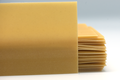 Lasagne
 -
 Lasagna
 -
 Lasagna
 -
Lasagna Bolognese

.jpg)


