Food packaging: Difference between revisions
CSV import |
CSV import Tags: mobile edit mobile web edit |
||
| Line 41: | Line 41: | ||
{{Food-stub}} | {{Food-stub}} | ||
<gallery> | |||
File:Testing_MAP_for_carrots.jpg|Food packaging | |||
File:Cake_mix_in_plastic_packet_photo.JPG|Food packaging | |||
File:Biscuit_components.jpg|Food packaging | |||
File:JNR_Vegetable-oil_Container.jpg|Food packaging | |||
File:Freezer_(5194456668).jpg|Food packaging | |||
File:A_4_Litre_Cask_of_Australian_White_Wine.jpg|Food packaging | |||
File:Dg_milk_containers.jpg|Food packaging | |||
File:Pyramidal_silk_tea_bag.jpg|Food packaging | |||
File:Sacos_de_café,_Casa_do_Bandeirante_1.JPG|Food packaging | |||
File:Boy_Scouts_Pick_Fruit_For_Jam-_Life_on_a_Fruit-picking_Camp_Near_Cambridge,_England,_UK,_1943_D16205.jpg|Food packaging | |||
File:English_breakfast_tea_tin.jpg|Food packaging | |||
File:USMC-03767.jpg|Food packaging | |||
</gallery> | |||
Revision as of 12:19, 18 February 2025
Food packaging is the process and method used to enclose food to protect it from tampering or contamination from physical, chemical, and biological sources. It involves the use of various materials and technologies to extend the shelf life of food products, ensure safe distribution, and maintain the quality and freshness of foods. The primary goals of food packaging are to contain food in a cost-effective way that satisfies industry requirements and consumer desires, maintains food safety, and minimizes environmental impact.
Materials Used in Food Packaging
Food packaging materials are diverse, ranging from traditional materials like glass, metal, and paper, to more modern materials such as plastics, including PET, HDPE, and PS, and biodegradable materials. Each material has its own advantages and disadvantages in terms of functionality, cost, and environmental impact.
Glass
Glass is a traditional packaging material that is completely recyclable and can be reused multiple times without loss in quality. It is primarily used for packaging liquids like milk, juice, and alcoholic beverages.
Metal
Metal packaging, including aluminum and steel, is used for canned foods, beverages, and aerosols. Metal cans are valued for their long shelf life and protective qualities, though they require significant energy to manufacture and recycle.
Paper and Cardboard
Paper and cardboard are widely used for dry foods, such as cereals and snack foods. These materials are lightweight, recyclable, and made from renewable resources, making them environmentally friendly options.
Plastics
Plastics are the most versatile materials for food packaging, offering excellent barrier properties, lightweight, and flexibility in design. However, the environmental impact of plastics, particularly single-use plastics, has led to increased research into biodegradable and bio-based alternatives.
Biodegradable Materials
Biodegradable packaging is made from natural materials like corn starch, mushroom mycelium, and cellulose, which can decompose naturally. This type of packaging is gaining popularity as a sustainable alternative to traditional plastics.
Technologies in Food Packaging
Modern food packaging technologies aim to improve food safety, extend shelf life, and reduce environmental impact. These include:
- Active Packaging: Incorporates components that release or absorb substances into or from the packaged food to extend its shelf life.
- Intelligent Packaging: Includes features that provide information about the condition of the packaged food or its environment, such as time-temperature indicators.
- Edible Packaging: Made from edible materials, this packaging can be consumed with the food product, reducing waste.
Regulations and Safety
Food packaging is subject to stringent regulations to ensure that it is safe for food contact. In the United States, the Food and Drug Administration (FDA) regulates food packaging materials. In the European Union, regulations specify that materials must not transfer their constituents to food in quantities that could endanger human health.
Environmental Impact
The environmental impact of food packaging is a growing concern. Issues include waste generation, the use of non-renewable resources, and pollution from packaging production and disposal. Efforts to mitigate these impacts include recycling programs, the development of biodegradable packaging materials, and the reduction of packaging used.
Conclusion
Food packaging plays a critical role in the modern food supply chain, balancing the need to maintain food quality and safety with environmental sustainability. Ongoing innovations in packaging materials and technologies promise to address these challenges, offering more sustainable and efficient packaging solutions.

-
 Food packaging
 -
 Food packaging
 -
 Food packaging
 -
 Food packaging
 -
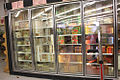 Food packaging
 -
 Food packaging
 -
 Food packaging
 -
 Food packaging
 -
 Food packaging
 -
 Food packaging
 -
 Food packaging
 -
 Food packaging


.jpg)


