Aretha Franklin: Difference between revisions
CSV import |
CSV import |
||
| Line 39: | Line 39: | ||
[[Category:Street food]] | [[Category:Street food]] | ||
[[Category:Pancakes]] | [[Category:Pancakes]] | ||
<gallery> | |||
File:Aretha_Franklin_1968.jpg|Aretha Franklin | |||
File:Aretha_Franklin_birthplace_406_Lucy_Ave_Memphis_TN_06.jpg|Aretha Franklin | |||
File:Today_I_Sing_the_Blues_-_Billboard_ad_1960.jpg|Aretha Franklin | |||
File:Aretha_franklin_1960s_cropped_retouched.jpg|Aretha Franklin | |||
File:Aretha_Franklin_1998.jpg|Aretha Franklin | |||
File:arethafranklin.jpg|Aretha Franklin | |||
File:Aretha_Franklin_2015.jpg|Aretha Franklin | |||
File:Aretha_Franklin,_The_Gospel_Tradition_In_Performance_at_the_White_House,_2015.jpg|Aretha Franklin | |||
File:Aretha_Franklin_US_Open_2011.jpg|Aretha Franklin | |||
File:Aretha_Franklin_honored_with_the_Presidential_Medal_of_Freedom.jpg|Aretha Franklin | |||
</gallery> | |||
Revision as of 12:03, 18 February 2025
Apam Balik
Apam Balik is a type of pancake that is popular in Southeast Asia, particularly in Malaysia, Indonesia, Brunei, and Singapore. It is known by various names in different regions, such as "martabak manis" in Indonesia and "ban jian kuih" in Chinese-speaking communities. This sweet treat is a staple at street food markets and is loved for its crispy exterior and soft, fluffy interior filled with a variety of ingredients.
History
The origins of Apam Balik can be traced back to the influence of Chinese immigrants in Southeast Asia. The dish has evolved over time, incorporating local ingredients and flavors. It is believed to have been inspired by the traditional Chinese pancake, but adapted to suit local tastes and available ingredients.
Preparation
Apam Balik is made from a batter consisting of flour, eggs, sugar, baking soda, and coconut milk. The batter is poured onto a hot griddle or specialized pan, where it is cooked until the edges become crispy. Before the pancake is fully cooked, it is topped with a variety of fillings such as crushed peanuts, sugar, sweet corn, and sometimes butter. Once the fillings are added, the pancake is folded in half, creating a semi-circular shape.
Variations
There are several variations of Apam Balik, each with its own unique twist:
- Giant Apam Balik: A larger version of the traditional pancake, often shared among several people.
- Martabak Manis: A thicker, sweeter version popular in Indonesia, often filled with chocolate, cheese, or even toblerone chocolate.
- Mini Apam Balik: Smaller, bite-sized versions that are easier to eat on the go.
Cultural Significance
Apam Balik is more than just a snack; it is a cultural icon in the regions where it is popular. It is often associated with festivals and celebrations, and its preparation and sale are a common sight in night markets and street food stalls. The dish represents the fusion of different culinary traditions and the adaptability of local cuisines.
Related Pages
Gallery
-
 Giant Apam Balik
 -
 Martabak Pizza
 -
 Martabak Manis Complit
 -
 Martabak Toblerone
 -
 Hoklopan Martabak Bangka
 -
 Martabak Mini
 -
 Yosri Apam Balik


-
 Aretha Franklin
 -
 Aretha Franklin
 -
 Aretha Franklin
 -
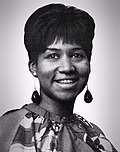 Aretha Franklin
 -
 Aretha Franklin
 -
 Aretha Franklin
 -
 Aretha Franklin
 -
 Aretha Franklin
 -
 Aretha Franklin
 -
 Aretha Franklin


