Transgender: Difference between revisions
CSV import |
CSV import |
||
| Line 1: | Line 1: | ||
== Transgender == | |||
The term '''transgender''' refers to individuals whose gender identity differs from the sex they were assigned at birth. Transgender people may identify as male, female, a blend of both, or neither, and their gender identity may not fit within traditional binary notions of male and female. The process of transitioning, which may include changing one's name, pronouns, clothing, and possibly undergoing medical procedures, is a personal journey that varies greatly among individuals. | |||
== History == | |||
The concept of transgender identity has existed across cultures and throughout history. In many indigenous cultures, such as the [[Two-Spirit]] people among Native American tribes, gender diversity was recognized and respected. In the 20th century, the term "transgender" began to be used more widely, particularly in the 1990s, to describe a broad range of gender identities and expressions. | |||
== Transgender Rights == | |||
Transgender rights have become a significant social and political issue worldwide. Many countries have enacted laws to protect transgender individuals from discrimination in areas such as employment, housing, and healthcare. However, transgender people still face significant challenges, including violence, discrimination, and barriers to accessing necessary medical care. | |||
== Transgender Pride == | |||
The [[Transgender Pride Flag]], designed by Monica Helms in 1999, is a symbol of transgender pride and diversity. The flag consists of five horizontal stripes: two light blue, two pink, and one white in the center. It is widely used in pride events and by transgender communities around the world. | |||
== Notable Figures == | |||
Several transgender individuals have gained prominence for their contributions to society and advocacy for transgender rights. [[Laverne Cox]], an actress and advocate, is known for her role in "Orange Is the New Black" and her work in raising awareness about transgender issues. [[Victoria Sin]] is a performance artist who explores themes of gender and identity. | |||
== Challenges Faced by Transgender People == | |||
Transgender individuals often face significant challenges, including discrimination, violence, and mental health issues. The [[Transgender Day of Remembrance]] is observed annually to honor the memory of those whose lives were lost in acts of anti-transgender violence. | |||
== Related Pages == | |||
* [[Gender identity]] | |||
* [[LGBT rights]] | |||
* [[Non-binary]] | |||
* [[Transgender rights in different countries]] | |||
== Gallery == | |||
<gallery> | |||
File:Transgender_Pride_flag.svg|Transgender Pride Flag | |||
File:Bell_Gallery,_Anderson_Library_U_of_Minnesota-Transgender_Oral_History_Project-03.jpg|Transgender Oral History Project | |||
File:Victoria_Sin,_sandwich.jpg|Victoria Sin | |||
File:Edward_de_Lacey_Evans_(1879)_admitted_into_Kew_Asylum,_portrait_1.png|Edward de Lacey Evans | |||
File:Camille_Cabral_pour_les_Trans.JPG|Camille Cabral | |||
File:Hate_Hurts_Wales_-_Portrayal_of_Transgender_Hate_Crime.webm|Portrayal of Transgender Hate Crime | |||
File:Jogappas_at_Bangalore.jpg|Jogappas at Bangalore | |||
File:Nongthoomfairtex.jpg|Nong Thoom | |||
File:Laverne_Cox_by_Sachyn_Mital.jpg|Laverne Cox | |||
File:Existrans_2017_(37146607344).jpg|Existrans 2017 | |||
File:Transgender_symbol___on_a_trafic_light_in_Trafalgar_Square.jpg|Transgender Symbol on Traffic Light | |||
</gallery> | |||
{{LGBT}} | |||
[[Category:Transgender]] | [[Category:Transgender]] | ||
[[Category:LGBT rights]] | |||
[[Category:LGBT]] | |||
Revision as of 00:36, 10 February 2025
Transgender
The term transgender refers to individuals whose gender identity differs from the sex they were assigned at birth. Transgender people may identify as male, female, a blend of both, or neither, and their gender identity may not fit within traditional binary notions of male and female. The process of transitioning, which may include changing one's name, pronouns, clothing, and possibly undergoing medical procedures, is a personal journey that varies greatly among individuals.
History
The concept of transgender identity has existed across cultures and throughout history. In many indigenous cultures, such as the Two-Spirit people among Native American tribes, gender diversity was recognized and respected. In the 20th century, the term "transgender" began to be used more widely, particularly in the 1990s, to describe a broad range of gender identities and expressions.
Transgender Rights
Transgender rights have become a significant social and political issue worldwide. Many countries have enacted laws to protect transgender individuals from discrimination in areas such as employment, housing, and healthcare. However, transgender people still face significant challenges, including violence, discrimination, and barriers to accessing necessary medical care.
Transgender Pride
The Transgender Pride Flag, designed by Monica Helms in 1999, is a symbol of transgender pride and diversity. The flag consists of five horizontal stripes: two light blue, two pink, and one white in the center. It is widely used in pride events and by transgender communities around the world.
Notable Figures
Several transgender individuals have gained prominence for their contributions to society and advocacy for transgender rights. Laverne Cox, an actress and advocate, is known for her role in "Orange Is the New Black" and her work in raising awareness about transgender issues. Victoria Sin is a performance artist who explores themes of gender and identity.
Challenges Faced by Transgender People
Transgender individuals often face significant challenges, including discrimination, violence, and mental health issues. The Transgender Day of Remembrance is observed annually to honor the memory of those whose lives were lost in acts of anti-transgender violence.
Related Pages
Gallery
-
 Transgender Pride Flag
 -
 Transgender Oral History Project
 -
 Victoria Sin
 -
 Edward de Lacey Evans
 -
 Camille Cabral
 -
 Portrayal of Transgender Hate Crime
 -
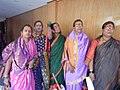 Jogappas at Bangalore
 -
 Nong Thoom
 -
 Laverne Cox
 -
 Existrans 2017
 -
Transgender Symbol on Traffic Light


_admitted_into_Kew_Asylum,_portrait_1.png)


.jpg)
| |||||
| |||||
| |||||
| |||||
| |||||
|


