Growbag: Difference between revisions
CSV import |
CSV import |
||
| Line 28: | Line 28: | ||
{{agriculture-stub}} | {{agriculture-stub}} | ||
<gallery> | |||
File:Growbag_farming_11.jpg|Growbag | |||
File:Grow_bag_(Vegetable_development,_Kerala).jpg|Growbag | |||
</gallery> | |||
Latest revision as of 00:58, 18 February 2025

A growbag is a large plastic bag filled with a soil substitute, commonly used for gardening purposes, especially in locations where soil conditions are not conducive to the growth of plants or where space is limited. Growbags are particularly popular for cultivating a variety of vegetables, herbs, and flowers, including tomatoes, peppers, and strawberries. They are an essential tool in urban gardening and container gardening, providing a versatile and portable option for gardeners.
Composition[edit]
Growbags are typically filled with a mix of peat, coir (coconut fiber), and sometimes perlite or vermiculite to ensure good aeration and water retention. The specific composition of the growbag medium can vary depending on the plants being grown and the manufacturer's formulation. This soilless medium is designed to provide a sterile environment to minimize the risk of soil-borne diseases and to optimize plant growth by providing a balanced mix of nutrients and pH levels.
Advantages[edit]
One of the main advantages of using growbags is their convenience and ease of use. They can be placed on any flat surface, such as patios, balconies, or even rooftops, making them ideal for gardeners with limited space. Additionally, because the growing medium is contained, there is less risk of weed growth, and pests can be more easily managed compared to traditional garden beds.
Growbags also offer flexibility in gardening. They can be easily moved to optimize sunlight exposure or to protect plants from adverse weather conditions. Furthermore, at the end of the growing season, the contents of the growbag can be used as compost material, and the bag itself can be recycled, reducing waste.
Disadvantages[edit]
Despite their benefits, growbags also have some limitations. The contained volume of soil can restrict root growth for larger plants, potentially limiting their size and yield. Additionally, the soil in growbags can dry out more quickly than in the ground, requiring more frequent watering. This can lead to increased maintenance and the need for careful water management to prevent both over and under-watering.
Usage[edit]
To use a growbag, gardeners typically cut holes in the top of the bag and plant seeds or seedlings directly into the medium. It is important to provide adequate support for plants that grow tall or produce heavy fruits, such as tomatoes, by using stakes or cages. Regular watering and fertilization according to the needs of the specific plants being grown are crucial for successful growth in growbags.
Environmental Considerations[edit]
While growbags offer a convenient and effective solution for many gardeners, there are environmental considerations to take into account. The use of peat in growbags has raised concerns due to the environmental impact of peat extraction, which can lead to habitat destruction and increased carbon dioxide emissions. As a result, there is a growing interest in peat-free alternatives that use sustainable materials such as composted bark or green waste.
Conclusion[edit]
Growbags are a versatile and convenient option for gardeners looking to maximize their growing space, especially in urban environments. While they offer many advantages, including ease of use and flexibility, it is important for gardeners to consider the environmental impact of their choices and to seek out sustainable options when possible.

This article is a agriculture stub. You can help WikiMD by expanding it!
-
 Growbag
 -
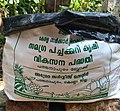 Growbag

.jpg)
