Walter Dandy: Difference between revisions
CSV import |
CSV import |
||
| Line 29: | Line 29: | ||
{{medicine-stub}} | {{medicine-stub}} | ||
<gallery> | |||
File:Walter_Dandy,_ca._1915.jpg|Walter Dandy, ca. 1915 | |||
File:Dr_Walter_Dandy_MD_First_Pediatric_Neurosurgeon.jpg|Dr. Walter Dandy, MD, First Pediatric Neurosurgeon | |||
File:Dandy_Aneurysm.jpg|Dandy Aneurysm | |||
</gallery> | |||
Revision as of 03:55, 18 February 2025
Walter Dandy (April 6, 1886 – April 19, 1946) was an influential neurosurgeon and scientist of the 20th century. He is recognized for his numerous contributions to the field of neurology and neurosurgery, including the development of various surgical techniques and the discovery of the circulation of cerebrospinal fluid in the brain.
Early Life and Education
Walter Dandy was born in Sedalia, Missouri. He completed his undergraduate studies at the University of Missouri and later attended the Johns Hopkins University School of Medicine, where he received his medical degree in 1910. He completed his surgical residency under the guidance of renowned surgeon Harvey Cushing.
Career and Contributions
Dandy's career was marked by significant advancements in the field of neurosurgery. He is best known for his work on the circulation of cerebrospinal fluid and the development of the ventriculography and pneumoencephalography techniques. These techniques allowed for the visualization of the brain's ventricular system and greatly improved the diagnosis and treatment of brain disorders.
Dandy also made significant contributions to the treatment of hydrocephalus, a condition characterized by an excessive accumulation of cerebrospinal fluid in the brain. He developed the Dandy-Walker syndrome and the Dandy operation, both of which are still used in modern medicine.
Legacy
Dandy's work has had a lasting impact on the field of neurosurgery. His techniques and discoveries have paved the way for numerous advancements in the diagnosis and treatment of neurological disorders. He is remembered as a pioneer in his field and his contributions continue to influence modern neurosurgery.
See Also
References
<references />

-
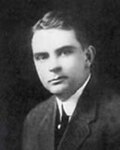 Walter Dandy, ca. 1915
 -
 Dr. Walter Dandy, MD, First Pediatric Neurosurgeon
 -
Dandy Aneurysm


