Sima (mead): Difference between revisions
CSV import Tags: mobile edit mobile web edit |
CSV import |
||
| Line 35: | Line 35: | ||
* [[Traditional Finnish Foods and Beverages]] | * [[Traditional Finnish Foods and Beverages]] | ||
{{dictionary-stub1}} | {{dictionary-stub1}} | ||
<gallery> | |||
File:Sima_(mead).jpg|Sima (mead) | |||
File:Sima_and_tippaleipä_2.jpg|Sima and tippaleipä | |||
File:2_kinds_of_Finnish_Mead.jpg|Two kinds of Finnish mead | |||
File:Hupa_Sweat_House.jpg|Hupa Sweat House | |||
</gallery> | |||
Revision as of 00:52, 18 February 2025
Sima (Mead)
Sima is a traditional Finnish fermented beverage, typically consumed during the celebration of Vappu, the Finnish May Day. It is a type of mead, an alcoholic drink produced by fermenting honey with water, sometimes with the addition of fruits, spices, grains, or hops.
History
The history of Sima dates back to the ancient times. It was originally made from honey, water, and yeast. The drink was traditionally consumed during the spring and summer months, particularly during the Vappu festival.
Ingredients and Preparation
The main ingredients of Sima include honey, water, lemon, yeast, and sugar. The preparation process involves boiling water, adding honey and sugar, and allowing the mixture to cool. Lemon slices are then added, and the mixture is left to ferment for a few days. After fermentation, the Sima is strained and bottled, with a few raisins added to each bottle to indicate when the Sima is ready to drink.
Consumption and Tradition
Sima is traditionally consumed during the Vappu festival, which is celebrated at the end of April and beginning of May. It is often served with tippaleipä, a type of Finnish funnel cake, and munkki, a Finnish doughnut.
Variations
There are several variations of Sima. Some recipes use brown sugar instead of honey, while others add different fruits or spices for flavor. Modern versions of Sima may also include carbonation for a fizzy effect.
Health Benefits
Sima, like other types of mead, has several potential health benefits. It is rich in antioxidants due to the presence of honey, and the fermentation process can produce beneficial probiotics. However, as an alcoholic beverage, it should be consumed in moderation.
See Also
References

-
Sima (mead)
-
 Sima and tippaleipä
 -
 Two kinds of Finnish mead
 -
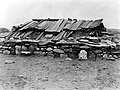 Hupa Sweat House


.jpg)