Rangpur (fruit): Difference between revisions
CSV import Tags: mobile edit mobile web edit |
CSV import |
||
| Line 39: | Line 39: | ||
[[Category:Fruits]] | [[Category:Fruits]] | ||
[[Category:Bangladeshi cuisine]] | [[Category:Bangladeshi cuisine]] | ||
<gallery> | |||
File:Citrus_x_limonia_(2).jpg|Citrus x limonia | |||
File:Rangpurgin.jpg|Rangpurgin | |||
File:Citrus_x_limonia_(Osbeck)_Lemandrine_001.jpg|Citrus x limonia (Osbeck) Lemandrine | |||
File:Citrus_x_limonia_(Osbeck)_Lemandrine_003.jpg|Citrus x limonia (Osbeck) Lemandrine | |||
</gallery> | |||
Latest revision as of 21:24, 20 February 2025
Rangpur (fruit)[edit]
The Rangpur (Citrus limonia), also known as the Rangpur lime, Mandarin lime or Lemanderin, is a hybrid between the mandarin orange and the lemon. It is a citrus fruit originating from Bangladesh, where the city of Rangpur is named after it.
Description[edit]
The Rangpur fruit is small in size, round to oblate in shape, and orange in color. The peel is thin and smooth, with a bright orange color. The flesh is orange, juicy, acidic, and has a unique flavor that is a cross between a lemon and a mandarin orange. The fruit contains numerous seeds.
Cultivation[edit]
Rangpur trees are more cold-tolerant than other citrus trees. They are grown in tropical and subtropical regions around the world. The trees are small to medium in size, with a spreading habit and drooping branches. The leaves are dark green, glossy, and have a distinctive citrus aroma when crushed. The flowers are white and fragrant.
Uses[edit]
Rangpur fruits are primarily used for their juice, which is tart and flavorful. The juice is often used in cooking and baking, as well as in cocktails. The fruit is also used to make marmalades and other preserves. In addition, the fruit is sometimes used in traditional medicine.
History[edit]
The Rangpur fruit was first described by the British naturalist Joseph Dalton Hooker in 1851. It was named after the city of Rangpur in Bangladesh, where it was widely cultivated. The fruit was later introduced to other parts of the world, including the United States, where it is grown in California and Florida.
See also[edit]
References[edit]
- Citrus Fruits and Their Culture by H. Harold Hume
- The Citrus Industry by Walter Reuther, et al.
External links[edit]
-
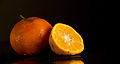 Citrus x limonia
 -
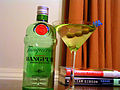 Rangpurgin
 -
 Citrus x limonia (Osbeck) Lemandrine
 -
 Citrus x limonia (Osbeck) Lemandrine
.jpg)

_Lemandrine_001.jpg)
_Lemandrine_003.jpg)
