Armenian alphabet: Difference between revisions
CSV import |
CSV import Tags: mobile edit mobile web edit |
||
| (2 intermediate revisions by the same user not shown) | |||
| Line 1: | Line 1: | ||
{{Short description|Anatomical structure in the human body}} | |||
The ''' | The '''aponeurosis of the abdominal external oblique muscle''' is a broad, flat tendon that plays a crucial role in the structure and function of the abdominal wall. It is part of the [[muscular system]] and contributes to the [[abdominal wall]]'s strength and flexibility. | ||
== | ==Structure== | ||
The | The aponeurosis of the [[external oblique muscle]] is a fibrous sheet that extends from the lower ribs to the [[iliac crest]] and the [[pubic symphysis]]. It is the continuation of the external oblique muscle fibers as they transition into a tendinous form. This aponeurosis is a key component of the [[anterior abdominal wall]], providing attachment points for other muscles and contributing to the formation of the [[inguinal ligament]]. | ||
The aponeurosis is composed of dense connective tissue, primarily [[collagen]] fibers, which provide tensile strength. It is arranged in a layered fashion, with fibers running in different directions to enhance its strength and flexibility. | |||
== | ==Function== | ||
The | The primary function of the aponeurosis of the abdominal external oblique muscle is to support the abdominal wall and assist in movements such as [[flexion]], [[rotation]], and [[lateral flexion]] of the trunk. It also plays a role in maintaining intra-abdominal pressure, which is important for activities such as [[breathing]], [[defecation]], and [[childbirth]]. | ||
Additionally, the aponeurosis helps to protect the internal organs by providing a sturdy barrier against external forces. It also serves as a site of attachment for other muscles, such as the [[rectus abdominis]] and the [[transversus abdominis]]. | |||
==Clinical significance== | |||
Injuries or tears to the aponeurosis of the abdominal external oblique muscle can occur due to trauma or overuse, leading to conditions such as [[sports hernia]] or [[abdominal wall hernia]]. These injuries can cause pain and limit mobility, requiring medical intervention such as physical therapy or surgery. | |||
Understanding the anatomy and function of the aponeurosis is important for diagnosing and treating abdominal wall injuries. Surgeons must be aware of its structure when performing procedures such as [[hernia repair]] or [[abdominoplasty]]. | |||
== | ==Related pages== | ||
* [[Abdominal muscles]] | |||
* [[Inguinal ligament]] | |||
* [[Rectus abdominis]] | |||
* [[Transversus abdominis]] | |||
== | ==Gallery== | ||
<gallery> | |||
File:Gray393.png|Diagram of the abdominal muscles, showing the aponeurosis of the external oblique. | |||
File:Gray1146.png|Illustration of the abdominal wall, highlighting the aponeurosis of the external oblique muscle. | |||
</gallery> | |||
[[Category:Muscular system]] | |||
[[Category:Anatomy of the abdomen]] | |||
<gallery> | |||
File:2014_Prowincja_Sjunik,_Klasztor_Tatew_(53).jpg|Armenian alphabet | |||
== | File:Yereruyk_basilica_cathedral_02.jpg|Armenian alphabet | ||
File:Armenian_cross_from_Jerusalem.jpg|Armenian alphabet | |||
File:Armenian_mosaic-inscr_at_Jerusalem.jpg|Armenian alphabet | |||
File:ա_handwritten.svg|Armenian alphabet | |||
File:բ_handwritten.svg|Armenian alphabet | |||
File:գ_handwritten.svg|Armenian alphabet | |||
File:դ_handwritten.svg|Armenian alphabet | |||
File:ե_handwritten.svg|Armenian alphabet | |||
File:զ_handwritten.svg|Armenian alphabet | |||
File:է_handwritten.svg|Armenian alphabet | |||
File:ը_handwritten.svg|Armenian alphabet | |||
</gallery> | |||
== Armenian_alphabet == | |||
<gallery> | |||
File:2014_Prowincja_Sjunik,_Klasztor_Tatew_(53).jpg|Armenian_alphabet | |||
File:Yereruyk_basilica_cathedral_02.jpg|Armenian_alphabet | |||
File:Armenian_cross_from_Jerusalem.jpg|Armenian_alphabet | |||
File:Armenian_mosaic-inscr_at_Jerusalem.jpg|Armenian_alphabet | |||
File:ա_handwritten.svg|Armenian_alphabet | |||
File:բ_handwritten.svg|Armenian_alphabet | |||
File:գ_handwritten.svg|Armenian_alphabet | |||
File:դ_handwritten.svg|Armenian_alphabet | |||
File:ե_handwritten.svg|Armenian_alphabet | |||
File:զ_handwritten.svg|Armenian_alphabet | |||
File:է_handwritten.svg|Armenian_alphabet | |||
File:ը_handwritten.svg|Armenian_alphabet | |||
</gallery> | |||
Latest revision as of 12:23, 18 February 2025
Anatomical structure in the human body
The aponeurosis of the abdominal external oblique muscle is a broad, flat tendon that plays a crucial role in the structure and function of the abdominal wall. It is part of the muscular system and contributes to the abdominal wall's strength and flexibility.
Structure[edit]
The aponeurosis of the external oblique muscle is a fibrous sheet that extends from the lower ribs to the iliac crest and the pubic symphysis. It is the continuation of the external oblique muscle fibers as they transition into a tendinous form. This aponeurosis is a key component of the anterior abdominal wall, providing attachment points for other muscles and contributing to the formation of the inguinal ligament.
The aponeurosis is composed of dense connective tissue, primarily collagen fibers, which provide tensile strength. It is arranged in a layered fashion, with fibers running in different directions to enhance its strength and flexibility.
Function[edit]
The primary function of the aponeurosis of the abdominal external oblique muscle is to support the abdominal wall and assist in movements such as flexion, rotation, and lateral flexion of the trunk. It also plays a role in maintaining intra-abdominal pressure, which is important for activities such as breathing, defecation, and childbirth.
Additionally, the aponeurosis helps to protect the internal organs by providing a sturdy barrier against external forces. It also serves as a site of attachment for other muscles, such as the rectus abdominis and the transversus abdominis.
Clinical significance[edit]
Injuries or tears to the aponeurosis of the abdominal external oblique muscle can occur due to trauma or overuse, leading to conditions such as sports hernia or abdominal wall hernia. These injuries can cause pain and limit mobility, requiring medical intervention such as physical therapy or surgery.
Understanding the anatomy and function of the aponeurosis is important for diagnosing and treating abdominal wall injuries. Surgeons must be aware of its structure when performing procedures such as hernia repair or abdominoplasty.
Related pages[edit]
Gallery[edit]
-
 Diagram of the abdominal muscles, showing the aponeurosis of the external oblique.
 -
 Illustration of the abdominal wall, highlighting the aponeurosis of the external oblique muscle.


-
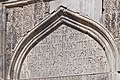 Armenian alphabet
 -
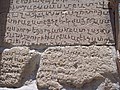 Armenian alphabet
 -
 Armenian alphabet
 -
 Armenian alphabet
 -
 Armenian alphabet
 -
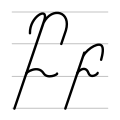 Armenian alphabet
 -
 Armenian alphabet
 -
 Armenian alphabet
 -
 Armenian alphabet
 -
 Armenian alphabet
 -
 Armenian alphabet
 -
 Armenian alphabet
.jpg)


Armenian_alphabet[edit]
-
Armenian_alphabet
-
Armenian_alphabet
-
Armenian_alphabet
-
Armenian_alphabet
-
Armenian_alphabet
-
Armenian_alphabet
-
Armenian_alphabet
-
Armenian_alphabet
-
Armenian_alphabet
-
Armenian_alphabet
-
Armenian_alphabet
-
Armenian_alphabet
