Kural: Difference between revisions
CSV import |
CSV import |
||
| (One intermediate revision by the same user not shown) | |||
| Line 45: | Line 45: | ||
{{Tamil-literature-stub}} | {{Tamil-literature-stub}} | ||
{{NoIndexOrphaned}} | |||
<gallery> | |||
File:திருக்குறள்_தெளிவு.pdf|திருக்குறள் தெளிவு | |||
File:Thiruvalluvar_Statue_at_Kanyakumari_02.jpg|Thiruvalluvar Statue at Kanyakumari | |||
File:ValluvarStatue_SanctuaryAtTiruvallur.jpg|Valluvar Statue Sanctuary at Tiruvallur | |||
File:Tamil_Wisdom,_by_Edward_Jewitt_Robinson,_1873.jpg|Tamil Wisdom, by Edward Jewitt Robinson, 1873 | |||
File:Tirukkural_manuscript.jpg|Tirukkural manuscript | |||
File:1856_CE_Translation_1865_edition,_Kural_of_Thiruvalluvar_Tirukkural_Graul.jpg|1856 CE Translation 1865 edition, Kural of Thiruvalluvar Tirukkural Graul | |||
File:Largest_Thirukkural_Book.jpg|Largest Thirukkural Book | |||
File:Thirukkural_Madras_1812.JPG|Thirukkural Madras 1812 | |||
</gallery> | |||
Latest revision as of 11:42, 25 February 2025

Kural is a term that refers to a form of classical Tamil literature, specifically the couplets written by the ancient Tamil poet and philosopher Tiruvalluvar. The most renowned work in this genre is the Tirukkural, which is a collection of 1,330 couplets or kurals. These couplets are divided into three sections: Aram (virtue), Porul (wealth), and Inbam (love).
Etymology[edit]
The word "Kural" is derived from the Tamil word "Kurugu," which means "short" or "concise." This reflects the brevity and succinctness of the couplets, each of which is composed of just seven words.
Structure[edit]
Each kural is a couplet, consisting of two lines. The first line typically contains four words, and the second line contains three words. This structure is designed to convey profound philosophical and ethical teachings in a concise manner.
Historical Context[edit]
The Tirukkural is believed to have been written between the 1st century BCE and the 5th century CE. It is one of the most important works in Tamil literature and has been translated into numerous languages. The work is highly regarded for its universal values and timeless wisdom.
Themes[edit]
The Tirukkural covers a wide range of topics, including ethics, politics, economics, and love. The three main sections are:
- Aram (Virtue): This section deals with moral values and ethical living.
- Porul (Wealth): This section discusses the right way to acquire and manage wealth.
- Inbam (Love): This section explores the nature of love and relationships.
Influence[edit]
The Tirukkural has had a profound influence on Tamil culture and literature. It is often quoted in speeches, writings, and everyday conversations. The work has also inspired numerous commentaries and interpretations over the centuries.
Translations[edit]
The Tirukkural has been translated into many languages, including English, French, German, and Hindi. Each translation attempts to capture the essence of the original Tamil couplets while making them accessible to a global audience.
Legacy[edit]
The Tirukkural continues to be a source of inspiration and guidance for people around the world. It is often included in the curriculum of schools and universities in Tamil Nadu and other parts of India.
See Also[edit]
References[edit]
External Links[edit]

Template:Tamil-literature-stub
-
 திருக்குறள் தெளிவு
 -
 Thiruvalluvar Statue at Kanyakumari
 -
 Valluvar Statue Sanctuary at Tiruvallur
 -
 Tamil Wisdom, by Edward Jewitt Robinson, 1873
 -
 Tirukkural manuscript
 -
 1856 CE Translation 1865 edition, Kural of Thiruvalluvar Tirukkural Graul
 -
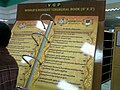 Largest Thirukkural Book
 -
 Thirukkural Madras 1812


