Ambush predator: Difference between revisions
CSV import |
CSV import |
||
| Line 11: | Line 11: | ||
File:Beetle_larva_(Lethocerus_patruelis)_attacking_fish_(Pseudorasbora_parva)_-_ZooKeys-319-119-s001.ogv|Ambush_predator | File:Beetle_larva_(Lethocerus_patruelis)_attacking_fish_(Pseudorasbora_parva)_-_ZooKeys-319-119-s001.ogv|Ambush_predator | ||
</gallery> | </gallery> | ||
== Ambush Predator == | |||
An '''ambush predator''' is a carnivorous animal that uses stealth and the element of surprise to capture prey. Unlike [[pursuit predators]], which chase down their prey, ambush predators remain hidden and wait for the opportune moment to strike. This strategy is employed by a variety of species across different habitats, including terrestrial, aquatic, and aerial environments. | |||
== Characteristics == | |||
Ambush predators typically possess adaptations that enhance their ability to remain undetected by prey. These adaptations may include camouflage, the ability to remain motionless for extended periods, and acute senses to detect approaching prey. Many ambush predators have evolved specialized body structures that aid in rapid strikes, such as elongated limbs or powerful jaws. | |||
=== Camouflage === | |||
Camouflage is a common trait among ambush predators, allowing them to blend into their surroundings. This can involve coloration that matches the environment, disruptive patterns that break up the outline of the body, or even mimicry of inanimate objects. For example, the [[leaf-tailed gecko]] uses its leaf-like appearance to remain hidden among foliage. | |||
=== Stealth and Patience === | |||
Ambush predators often exhibit extreme patience, remaining motionless for long periods while waiting for prey to come within striking distance. This requires a low metabolic rate and the ability to remain undetected by prey. The [[crocodile]] is a classic example, lying submerged in water with only its eyes and nostrils visible. | |||
=== Rapid Strike === | |||
Once prey is within range, ambush predators must strike quickly to capture it. This often involves a sudden burst of speed or a rapid extension of body parts. The [[praying mantis]] uses its raptorial forelegs to snatch prey with incredible speed and precision. | |||
== Examples of Ambush Predators == | |||
Ambush predation is a widespread strategy found in various animal groups. | |||
=== Terrestrial Ambush Predators === | |||
* The [[tiger]] uses its striped coat to blend into the forest undergrowth, allowing it to approach prey undetected. | |||
* The [[trapdoor spider]] constructs a hidden burrow with a camouflaged lid, waiting for unsuspecting insects to pass by. | |||
=== Aquatic Ambush Predators === | |||
* The [[anglerfish]] uses a bioluminescent lure to attract prey in the deep sea, striking when prey comes close. | |||
* The [[alligator snapping turtle]] uses a worm-like appendage on its tongue to lure fish into its mouth. | |||
=== Aerial Ambush Predators === | |||
* The [[peregrine falcon]] uses its incredible speed and agility to dive from great heights, surprising prey in mid-air. | |||
* The [[owl]] uses its silent flight and keen hearing to locate and capture prey at night. | |||
== Related Pages == | |||
* [[Predation]] | |||
* [[Camouflage]] | |||
* [[Carnivore]] | |||
* [[Stealth]] | |||
* [[Pursuit predator]] | |||
{{Animal behavior}} | |||
[[Category:Predation]] | |||
[[Category:Animal behavior]] | |||
Latest revision as of 00:36, 19 February 2025
-
 Ambush_predator
 -
 Ambush_predator
 -
 Ambush_predator
 -
 Ambush_predator
 -
 Ambush_predator
 -
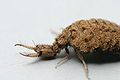 Ambush_predator
 -
 Ambush_predator
 -
 Ambush_predator
 -
 Ambush_predator
 -
 Ambush_predator


.jpg)
.jpg)
.jpg)


Ambush Predator[edit]
An ambush predator is a carnivorous animal that uses stealth and the element of surprise to capture prey. Unlike pursuit predators, which chase down their prey, ambush predators remain hidden and wait for the opportune moment to strike. This strategy is employed by a variety of species across different habitats, including terrestrial, aquatic, and aerial environments.
Characteristics[edit]
Ambush predators typically possess adaptations that enhance their ability to remain undetected by prey. These adaptations may include camouflage, the ability to remain motionless for extended periods, and acute senses to detect approaching prey. Many ambush predators have evolved specialized body structures that aid in rapid strikes, such as elongated limbs or powerful jaws.
Camouflage[edit]
Camouflage is a common trait among ambush predators, allowing them to blend into their surroundings. This can involve coloration that matches the environment, disruptive patterns that break up the outline of the body, or even mimicry of inanimate objects. For example, the leaf-tailed gecko uses its leaf-like appearance to remain hidden among foliage.
Stealth and Patience[edit]
Ambush predators often exhibit extreme patience, remaining motionless for long periods while waiting for prey to come within striking distance. This requires a low metabolic rate and the ability to remain undetected by prey. The crocodile is a classic example, lying submerged in water with only its eyes and nostrils visible.
Rapid Strike[edit]
Once prey is within range, ambush predators must strike quickly to capture it. This often involves a sudden burst of speed or a rapid extension of body parts. The praying mantis uses its raptorial forelegs to snatch prey with incredible speed and precision.
Examples of Ambush Predators[edit]
Ambush predation is a widespread strategy found in various animal groups.
Terrestrial Ambush Predators[edit]
- The tiger uses its striped coat to blend into the forest undergrowth, allowing it to approach prey undetected.
- The trapdoor spider constructs a hidden burrow with a camouflaged lid, waiting for unsuspecting insects to pass by.
Aquatic Ambush Predators[edit]
- The anglerfish uses a bioluminescent lure to attract prey in the deep sea, striking when prey comes close.
- The alligator snapping turtle uses a worm-like appendage on its tongue to lure fish into its mouth.
Aerial Ambush Predators[edit]
- The peregrine falcon uses its incredible speed and agility to dive from great heights, surprising prey in mid-air.
- The owl uses its silent flight and keen hearing to locate and capture prey at night.
Related Pages[edit]
| Animal behavior | ||||||||
|---|---|---|---|---|---|---|---|---|
This animal behavior related article is a stub.
|
