Energy transformation
Energy transformation or energy conversion is the process of changing one form of energy into another. In physics, energy is a quantity that provides the capacity to perform work (e.g., lifting an object) or provides heat. Among the most common forms of energy are kinetic energy, potential energy, thermal energy, chemical energy, electrical energy, and radiant energy. The law of conservation of energy states that energy can neither be created nor destroyed, only transformed from one form to another. This principle is fundamental to the understanding of energy systems and underpins much of the physical sciences and engineering.
Types of Energy Transformation[edit]
Energy transformations are ubiquitous in the natural world and technology. Here are some examples:
- Mechanical to Electrical: In a hydroelectric power plant, the mechanical energy of moving water is converted into electrical energy.
- Chemical to Thermal: Combustion of fuels converts chemical energy into thermal energy, which can then be used for heating or further converted into mechanical or electrical energy.
- Electrical to Radiant: Light bulbs transform electrical energy into radiant (light) energy.
- Thermal to Mechanical: Steam engines convert thermal energy from steam into mechanical energy.
- Photosynthesis: In this biological process, plants convert radiant energy from the sun into chemical energy stored in glucose.
Laws of Energy Transformation[edit]
The efficiency of energy transformation processes is governed by the laws of thermodynamics, particularly the first and second laws.
- First Law of Thermodynamics: Also known as the law of conservation of energy, it states that energy cannot be created or destroyed in an isolated system.
- Second Law of Thermodynamics: It states that the total entropy of an isolated system can never decrease over time, and is constant if and only if all processes are reversible. In terms of energy transformation, this law implies that some energy will always be lost as heat in energy conversions, making 100% efficiency impossible.
Applications and Implications[edit]
Energy transformation has numerous applications across various fields, including:
- Power Generation: The conversion of mechanical, chemical, or nuclear energy into electrical energy.
- Transportation: Vehicles convert chemical energy of fuel into mechanical energy.
- Environmental Impact: Understanding energy transformations is crucial for developing sustainable energy solutions and minimizing environmental impact.
Challenges in Energy Transformation[edit]
One of the major challenges in energy transformation is increasing the efficiency of energy conversions to reduce energy loss as heat. Innovations in technology, such as more efficient engines, batteries, and renewable energy sources, are focused on addressing these challenges.
See Also[edit]
 | This physics-related article is a stub. You can help Wikipedia by adding missing information. |
-
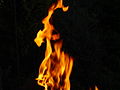 Fire
Fire -
 Energy Transformation
 -
 Wind Farm


Ad. Transform your health with W8MD Weight Loss, Sleep & MedSpa

Tired of being overweight?
Special offer:
Budget GLP-1 weight loss medications
- Semaglutide starting from $29.99/week and up with insurance for visit of $59.99 and up per week self pay.
- Tirzepatide starting from $45.00/week and up (dose dependent) or $69.99/week and up self pay
✔ Same-week appointments, evenings & weekends ✔ Tele visits available with certain limitations Learn more:
- GLP-1 weight loss clinic NYC
- W8MD's NYC medical weight loss
- W8MD Philadelphia GLP-1 shots
- Philadelphia GLP-1 injections
- Affordable GLP-1 shots NYC
- Budget GLP-1 shots
|
WikiMD Medical Encyclopedia |
Medical Disclaimer: WikiMD is for informational purposes only and is not a substitute for professional medical advice. Content may be inaccurate or outdated and should not be used for diagnosis or treatment. Always consult your healthcare provider for medical decisions. Verify information with trusted sources such as CDC.gov and NIH.gov. By using this site, you agree that WikiMD is not liable for any outcomes related to its content. See full disclaimer.
Credits:Most images are courtesy of Wikimedia commons, and templates, categories Wikipedia, licensed under CC BY SA or similar.
Translate this page: - East Asian
中文,
日本,
한국어,
South Asian
हिन्दी,
தமிழ்,
తెలుగు,
Urdu,
ಕನ್ನಡ,
Southeast Asian
Indonesian,
Vietnamese,
Thai,
မြန်မာဘာသာ,
বাংলা
European
español,
Deutsch,
français,
Greek,
português do Brasil,
polski,
română,
русский,
Nederlands,
norsk,
svenska,
suomi,
Italian
Middle Eastern & African
عربى,
Turkish,
Persian,
Hebrew,
Afrikaans,
isiZulu,
Kiswahili,
Other
Bulgarian,
Hungarian,
Czech,
Swedish,
മലയാളം,
मराठी,
ਪੰਜਾਬੀ,
ગુજરાતી,
Portuguese,
Ukrainian
