Α-Acetyldigoxin
Α-Acetyldigoxin is a cardiac glycoside, a type of drug that can increase the force of heart contractions, control heart rate, and alleviate symptoms of heart failure. It is derived from the foxglove plant, similar to its more commonly known relative, digoxin.
Pharmacology[edit]
Α-Acetyldigoxin works by inhibiting the sodium-potassium ATPase pump in the myocardial (heart muscle) cells. This inhibition leads to an increase in intracellular sodium levels, which then causes an increase in intracellular calcium levels via the sodium-calcium exchange pump. The increased calcium levels result in stronger heart contractions.
Clinical Use[edit]
Α-Acetyldigoxin is used in the treatment of various heart conditions, including atrial fibrillation, atrial flutter, and heart failure. It is particularly useful in patients with heart failure who also have atrial fibrillation, as it can control the rapid heart rate often seen in these patients.
Side Effects[edit]
Like other cardiac glycosides, Α-Acetyldigoxin has a narrow therapeutic index, meaning there is a small difference between therapeutic and toxic doses. Side effects can include nausea, vomiting, diarrhea, abdominal pain, visual disturbances, and cardiac arrhythmias. In severe cases, it can cause cardiac arrest.
Drug Interactions[edit]
Α-Acetyldigoxin can interact with a number of other medications, including calcium channel blockers, beta blockers, and diuretics. These interactions can increase the risk of toxicity.
See Also[edit]

-
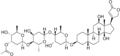 Α-Acetyldigoxin

Ad. Transform your life with W8MD's
GLP-1 weight loss injections special from $29.99 with insurance
|
WikiMD Medical Encyclopedia |
Medical Disclaimer: WikiMD is for informational purposes only and is not a substitute for professional medical advice. Content may be inaccurate or outdated and should not be used for diagnosis or treatment. Always consult your healthcare provider for medical decisions. Verify information with trusted sources such as CDC.gov and NIH.gov. By using this site, you agree that WikiMD is not liable for any outcomes related to its content. See full disclaimer.
Credits:Most images are courtesy of Wikimedia commons, and templates, categories Wikipedia, licensed under CC BY SA or similar.
Translate this page: - East Asian
中文,
日本,
한국어,
South Asian
हिन्दी,
தமிழ்,
తెలుగు,
Urdu,
ಕನ್ನಡ,
Southeast Asian
Indonesian,
Vietnamese,
Thai,
မြန်မာဘာသာ,
বাংলা
European
español,
Deutsch,
français,
Greek,
português do Brasil,
polski,
română,
русский,
Nederlands,
norsk,
svenska,
suomi,
Italian
Middle Eastern & African
عربى,
Turkish,
Persian,
Hebrew,
Afrikaans,
isiZulu,
Kiswahili,
Other
Bulgarian,
Hungarian,
Czech,
Swedish,
മലയാളം,
मराठी,
ਪੰਜਾਬੀ,
ગુજરાતી,
Portuguese,
Ukrainian
