Yukon Gold potato
The Yukon Gold potato is a type of potato which is highly regarded for its unique, buttery flavor and its versatility in a variety of culinary applications. It was first released in 1980 by Gary Johnston, a researcher at the University of Guelph, Ontario, Canada.
History[edit]
The Yukon Gold potato was developed through crossbreeding a North American white potato with a wild South American yellow-fleshed variety. Its development was part of a program at the University of Guelph to develop a variety of potato that combined the best qualities of both parents.
Characteristics[edit]
Yukon Gold potatoes are medium to large in size and are round to oval in shape. The skin is smooth, slightly flaky, and is a yellow to light gold color. The flesh is yellow and is known for its creamy and moist texture. The flavor is slightly sweet and buttery, which makes it a versatile potato in the kitchen.
Cultivation[edit]
Yukon Gold potatoes are a cool season crop and are typically planted in early spring. They prefer well-drained, loamy soil and full sun. The plants are resistant to some common potato diseases, but are susceptible to others, such as potato blight and potato scab.
Culinary Uses[edit]
Yukon Gold potatoes are versatile and can be used in a variety of dishes. They are excellent for boiling, baking, and frying, and are commonly used in recipes for mashed potatoes, potato salad, and french fries. Their buttery flavor and creamy texture also make them a good choice for potato soup and potato gratin.
Nutritional Value[edit]
Yukon Gold potatoes are a good source of Vitamin C, potassium, and fiber. They are also low in fat and cholesterol.
See Also[edit]
References[edit]
External Links[edit]
-
 Yukon Gold potatoes
 -
 Gary Johnston, developer of the Yukon Gold potato
 -
 Food inspection of Yukon Gold potatoes
 -
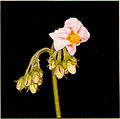 Yukon Gold potato
 -
 Yukon Gold potato
 -
Yukon Gold potato
-
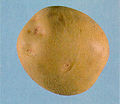 Yukon Gold potato
 -
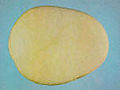 Yukon Gold potato


Medical Disclaimer: WikiMD is for informational purposes only and is not a substitute for professional medical advice. Content may be inaccurate or outdated and should not be used for diagnosis or treatment. Always consult your healthcare provider for medical decisions. Verify information with trusted sources such as CDC.gov and NIH.gov. By using this site, you agree that WikiMD is not liable for any outcomes related to its content. See full disclaimer.
Credits:Most images are courtesy of Wikimedia commons, and templates, categories Wikipedia, licensed under CC BY SA or similar.
Translate page: - East Asian
中文,
日本,
한국어,
South Asian
हिन्दी,
தமிழ்,
తెలుగు,
Urdu,
ಕನ್ನಡ,
Southeast Asian
Indonesian,
Vietnamese,
Thai,
မြန်မာဘာသာ,
বাংলা
European
español,
Deutsch,
français,
Greek,
português do Brasil,
polski,
română,
русский,
Nederlands,
norsk,
svenska,
suomi,
Italian
Middle Eastern & African
عربى,
Turkish,
Persian,
Hebrew,
Afrikaans,
isiZulu,
Kiswahili,
Other
Bulgarian,
Hungarian,
Czech,
Swedish,
മലയാളം,
मराठी,
ਪੰਜਾਬੀ,
ગુજરાતી,
Portuguese,
Ukrainian


