Thermoeconomics
Thermoeconomics, also known as bioeconomics, is an interdisciplinary field of economic theory that applies the laws of thermodynamics to economic systems. It views economic systems as energy systems and applies the principles of energy flow and energy transformations to the study of economic activities.
Overview[edit]
The term "thermoeconomics" was coined by American engineer and systems scientist, Myron Tribus, in the 1960s. It is based on the premise that economic systems always involve matter, energy, entropy, and information. Thermoeconomics applies the principles of thermodynamics to describe how these quantities are transformed and transferred within an economic system.
Principles[edit]
Thermoeconomics is based on two fundamental principles of thermodynamics:
- The First Law of Thermodynamics, which states that energy can neither be created nor destroyed, only transformed. This principle is applied to economic systems to describe the transformation of resources into goods and services.
- The Second Law of Thermodynamics, which states that in any energy conversion, some energy is always lost as waste heat. This principle is applied to economic systems to describe the inefficiencies and waste in the production process.
Applications[edit]
Thermoeconomics has been used to analyze a variety of economic systems, including:
- Industrial processes, where it is used to optimize energy use and minimize waste.
- Ecological economics, where it is used to understand the energy flows in ecosystems and their implications for human economies.
- Sustainable development, where it is used to assess the feasibility and sustainability of different development paths.
Criticisms[edit]
Despite its potential, thermoeconomics has been criticized for oversimplifying complex economic systems and for its lack of empirical testing. Critics argue that while the principles of thermodynamics are universal, their application to economic systems is not straightforward and requires careful interpretation.
See also[edit]
- Energy economics
- Ecological economics
- Bioeconomics (bioresource)
- Industrial ecology
- Sustainable development
References[edit]


This article is a thermodynamics-related stub. You can help WikiMD by expanding it!

-
 Thermoeconomics
 -
 Balloon graph representing quality EROI
 -
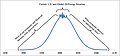 Current U.S. and Global Oil Energy Situation


Ad. Transform your life with W8MD's
GLP-1 weight loss injections special from $29.99 with insurance
|
WikiMD Medical Encyclopedia |
Medical Disclaimer: WikiMD is for informational purposes only and is not a substitute for professional medical advice. Content may be inaccurate or outdated and should not be used for diagnosis or treatment. Always consult your healthcare provider for medical decisions. Verify information with trusted sources such as CDC.gov and NIH.gov. By using this site, you agree that WikiMD is not liable for any outcomes related to its content. See full disclaimer.
Credits:Most images are courtesy of Wikimedia commons, and templates, categories Wikipedia, licensed under CC BY SA or similar.
Translate this page: - East Asian
中文,
日本,
한국어,
South Asian
हिन्दी,
தமிழ்,
తెలుగు,
Urdu,
ಕನ್ನಡ,
Southeast Asian
Indonesian,
Vietnamese,
Thai,
မြန်မာဘာသာ,
বাংলা
European
español,
Deutsch,
français,
Greek,
português do Brasil,
polski,
română,
русский,
Nederlands,
norsk,
svenska,
suomi,
Italian
Middle Eastern & African
عربى,
Turkish,
Persian,
Hebrew,
Afrikaans,
isiZulu,
Kiswahili,
Other
Bulgarian,
Hungarian,
Czech,
Swedish,
മലയാളം,
मराठी,
ਪੰਜਾਬੀ,
ગુજરાતી,
Portuguese,
Ukrainian
