Tail biting in pigs
Tail biting in pigs is a problematic behavior observed in the swine industry, characterized by one pig biting the tail of another pig. This behavior can lead to serious welfare issues, including pain, infection, and in severe cases, cannibalism. Understanding the causes, prevention, and management strategies for tail biting is crucial for improving animal welfare and farm productivity.
Causes[edit]
Tail biting in pigs is a multifactorial issue, with several interrelated causes. These include:
- Environmental factors: Overcrowding, poor ventilation, and inadequate enrichment materials can increase stress levels among pigs, leading to tail biting.
- Nutritional deficiencies: Lack of essential nutrients or imbalances in the diet can contribute to the development of this behavior.
- Genetic predisposition: Some pig breeds may be more prone to exhibit tail biting due to genetic factors.
- Health issues: Pigs suffering from health problems or parasites may start tail biting as a response to discomfort or irritation.
Prevention[edit]
Preventing tail biting involves addressing its root causes and implementing strategies to reduce stress and improve the overall welfare of the pigs. Some effective prevention measures include:
- Environmental enrichment: Providing pigs with materials such as straw, wood, or toys can help reduce boredom and frustration, decreasing the likelihood of tail biting.
- Proper nutrition: Ensuring a balanced diet that meets all the nutritional needs of pigs can help prevent nutritional deficiencies that may lead to tail biting.
- Adequate space: Providing sufficient space for each pig can reduce stress and aggression, minimizing the risk of tail biting.
- Health management: Regular health checks and prompt treatment of any health issues can reduce discomfort and prevent tail biting behavior.
Management[edit]
When tail biting occurs, it is important to address the issue promptly to minimize harm to the affected pigs and prevent the behavior from spreading. Management strategies include:
- Separation: Removing the aggressor or the victim from the group can prevent further injury and allow for healing.
- Medical treatment: In cases where tail biting has led to injury or infection, appropriate medical treatment is necessary to promote healing and prevent complications.
- Environmental modification: Making changes to the environment, such as improving ventilation or providing additional enrichment, can help reduce stress and prevent further occurrences of tail biting.
Conclusion[edit]
Tail biting in pigs is a complex behavior with significant implications for animal welfare and farm productivity. By understanding the causes and implementing effective prevention and management strategies, farmers can reduce the incidence of tail biting and improve the welfare of their pigs.
.png)
-
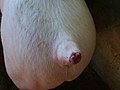 Tail bited of pig

Ad. Transform your health with W8MD Weight Loss, Sleep & MedSpa

Tired of being overweight?
Special offer:
Budget GLP-1 weight loss medications
- Semaglutide starting from $29.99/week and up with insurance for visit of $59.99 and up per week self pay.
- Tirzepatide starting from $45.00/week and up (dose dependent) or $69.99/week and up self pay
✔ Same-week appointments, evenings & weekends
Learn more:
- GLP-1 weight loss clinic NYC
- W8MD's NYC medical weight loss
- W8MD Philadelphia GLP-1 shots
- Philadelphia GLP-1 injections
- Affordable GLP-1 shots NYC
|
WikiMD Medical Encyclopedia |
Medical Disclaimer: WikiMD is for informational purposes only and is not a substitute for professional medical advice. Content may be inaccurate or outdated and should not be used for diagnosis or treatment. Always consult your healthcare provider for medical decisions. Verify information with trusted sources such as CDC.gov and NIH.gov. By using this site, you agree that WikiMD is not liable for any outcomes related to its content. See full disclaimer.
Credits:Most images are courtesy of Wikimedia commons, and templates, categories Wikipedia, licensed under CC BY SA or similar.
Translate this page: - East Asian
中文,
日本,
한국어,
South Asian
हिन्दी,
தமிழ்,
తెలుగు,
Urdu,
ಕನ್ನಡ,
Southeast Asian
Indonesian,
Vietnamese,
Thai,
မြန်မာဘာသာ,
বাংলা
European
español,
Deutsch,
français,
Greek,
português do Brasil,
polski,
română,
русский,
Nederlands,
norsk,
svenska,
suomi,
Italian
Middle Eastern & African
عربى,
Turkish,
Persian,
Hebrew,
Afrikaans,
isiZulu,
Kiswahili,
Other
Bulgarian,
Hungarian,
Czech,
Swedish,
മലയാളം,
मराठी,
ਪੰਜਾਬੀ,
ગુજરાતી,
Portuguese,
Ukrainian
