Scorched rice
Scorched Rice is a type of food preparation where the bottom layer of rice in a pot is deliberately burnt to a crisp. This is a common practice in many cultures around the world, including the Caribbean. The scorched rice is often removed and served as a separate dish.
Etymology[edit]
The term "scorched rice" is a direct translation of the Korean word "nurungji". In the Caribbean, it is often referred to as "pegao", which comes from the Spanish verb "pegar" meaning "to stick".
Preparation[edit]
Scorched rice is typically prepared by allowing the bottom layer of rice in a pot to burn until it becomes crispy. This can be done intentionally or as a result of the rice being cooked for too long. The scorched rice is then removed from the pot and can be served as a separate dish or used as an ingredient in other dishes.
Cultural Significance[edit]
In many cultures, scorched rice is considered a delicacy and is often served as a special treat. In the Caribbean, it is commonly served with beans or stews. In Korea, it is often served as a snack or used to make a type of tea.
Related Terms[edit]
- Pegao: The term used in the Caribbean for scorched rice.
- Nurungji: The Korean term for scorched rice.
- Tahdig: The Persian term for scorched rice.
See Also[edit]

This WikiMD article can only be edited by registered and verified editors. You can log in or register.
Scorched_rice[edit]
-
 Vegan Rice With Tahdig
 -
 Arròs Ku bak
 -
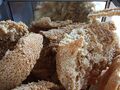 Intip Cirebon snack
 -
 Tahchin
 -
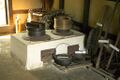 Kamado
 -
 Korean scorched rice dish Nurungji
 -
 Cơm cháy kho quẹt
 -
 Cơm cháy thịt dê Ninh Bình


.JPG)


Medical Disclaimer: WikiMD is for informational purposes only and is not a substitute for professional medical advice. Content may be inaccurate or outdated and should not be used for diagnosis or treatment. Always consult your healthcare provider for medical decisions. Verify information with trusted sources such as CDC.gov and NIH.gov. By using this site, you agree that WikiMD is not liable for any outcomes related to its content. See full disclaimer.
Credits:Most images are courtesy of Wikimedia commons, and templates, categories Wikipedia, licensed under CC BY SA or similar.
Translate page: - East Asian
中文,
日本,
한국어,
South Asian
हिन्दी,
தமிழ்,
తెలుగు,
Urdu,
ಕನ್ನಡ,
Southeast Asian
Indonesian,
Vietnamese,
Thai,
မြန်မာဘာသာ,
বাংলা
European
español,
Deutsch,
français,
Greek,
português do Brasil,
polski,
română,
русский,
Nederlands,
norsk,
svenska,
suomi,
Italian
Middle Eastern & African
عربى,
Turkish,
Persian,
Hebrew,
Afrikaans,
isiZulu,
Kiswahili,
Other
Bulgarian,
Hungarian,
Czech,
Swedish,
മലയാളം,
मराठी,
ਪੰਜਾਬੀ,
ગુજરાતી,
Portuguese,
Ukrainian

