Staphylococcus aureus alpha toxin
Staphylococcus aureus alpha toxin is a potent virulence factor produced by the bacterium Staphylococcus aureus. It is a pore-forming cytotoxin that plays a crucial role in the pathogenesis of infections caused by this bacterium. Alpha toxin is known for its ability to lyse a variety of host cells, including erythrocytes, leukocytes, and platelets, contributing to the bacterium's ability to evade the host immune system and cause disease.
Structure[edit]
Alpha toxin is a protein composed of 293 amino acids and has a molecular weight of approximately 33 kDa. The toxin is secreted as a water-soluble monomer that assembles into a heptameric pore on the surface of target cells. The crystal structure of the heptameric pore reveals a mushroom-shaped complex with a central channel that allows the passage of ions and small molecules, leading to cell lysis.
Mechanism of Action[edit]
The mechanism of action of alpha toxin involves binding to the target cell membrane, oligomerization, and insertion into the lipid bilayer to form a transmembrane pore. This pore formation disrupts the cell membrane integrity, leading to the efflux of vital ions and molecules, ultimately resulting in cell death. The toxin's ability to form pores in host cell membranes is a key factor in the virulence of Staphylococcus aureus infections.
Role in Pathogenesis[edit]
Alpha toxin is a major determinant of the virulence of Staphylococcus aureus. It contributes to the bacterium's ability to cause a wide range of infections, from superficial skin infections to life-threatening conditions such as pneumonia, sepsis, and endocarditis. The toxin's ability to lyse immune cells, such as neutrophils and macrophages, allows the bacterium to evade the host immune response and establish infection.
Clinical Implications[edit]
The presence of alpha toxin is associated with increased severity of Staphylococcus aureus infections. Understanding the role of alpha toxin in disease pathogenesis has led to the development of potential therapeutic strategies aimed at neutralizing the toxin's activity. These strategies include the use of monoclonal antibodies and small molecule inhibitors that target the toxin and prevent its interaction with host cells.
Related Pages[edit]
-
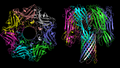 7ahl
7ahl


Medical Disclaimer: WikiMD is for informational purposes only and is not a substitute for professional medical advice. Content may be inaccurate or outdated and should not be used for diagnosis or treatment. Always consult your healthcare provider for medical decisions. Verify information with trusted sources such as CDC.gov and NIH.gov. By using this site, you agree that WikiMD is not liable for any outcomes related to its content. See full disclaimer.
Credits:Most images are courtesy of Wikimedia commons, and templates, categories Wikipedia, licensed under CC BY SA or similar.
Translate page: - East Asian
中文,
日本,
한국어,
South Asian
हिन्दी,
தமிழ்,
తెలుగు,
Urdu,
ಕನ್ನಡ,
Southeast Asian
Indonesian,
Vietnamese,
Thai,
မြန်မာဘာသာ,
বাংলা
European
español,
Deutsch,
français,
Greek,
português do Brasil,
polski,
română,
русский,
Nederlands,
norsk,
svenska,
suomi,
Italian
Middle Eastern & African
عربى,
Turkish,
Persian,
Hebrew,
Afrikaans,
isiZulu,
Kiswahili,
Other
Bulgarian,
Hungarian,
Czech,
Swedish,
മലയാളം,
मराठी,
ਪੰਜਾਬੀ,
ગુજરાતી,
Portuguese,
Ukrainian

