Speck
Speck is a type of cured meat product, traditionally produced in parts of Italy, Austria, and Germany. It is made from a pig's rear hip or shoulder, and the process of making speck involves both curing and smoking.
History[edit]
The term "speck" became part of popular parlance only in the eighteenth century and replaced the older term "bachen", a cognate of "bacon". There are several theories about the origin of the word. Some believe it is derived from the Latin "speculum" which means mirror. Most likely, the term speck simply means 'fat', similar to the English term 'speck'.
Production[edit]
The production process of speck involves several steps. First, the meat is selected and trimmed. Then, it is seasoned with a mixture of salt, pepper, juniper berries, and other spices. After that, the meat is left to cure for a period of several weeks. During this time, it is regularly turned and massaged to ensure that the cure is evenly distributed. Once the curing process is complete, the meat is lightly smoked and then left to mature for several months.
Varieties[edit]
There are several varieties of speck, each with its own unique characteristics. Some of the most popular include:
- Speck Alto Adige PGI: This is a type of speck that is produced in the South Tyrol region of Italy. It is protected by the Protected Geographical Indication (PGI) status, which means that it must be produced in a specific geographical area using traditional methods.
- Tyrolean Speck: This is a type of speck that is produced in the Tyrol region of Austria. It is known for its distinctive smoky flavor and firm texture.
- Black Forest Speck: This is a type of speck that is produced in the Black Forest region of Germany. It is known for its rich, robust flavor and dark color.
See also[edit]
References[edit]

This WikiMD article can only be edited by registered and verified editors. You can log in or register.
Speck[edit]
-
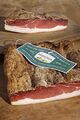 Südtiroler Speck g.g.A. with quality seal
 -
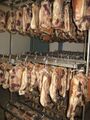 Fresh speck


Medical Disclaimer: WikiMD is for informational purposes only and is not a substitute for professional medical advice. Content may be inaccurate or outdated and should not be used for diagnosis or treatment. Always consult your healthcare provider for medical decisions. Verify information with trusted sources such as CDC.gov and NIH.gov. By using this site, you agree that WikiMD is not liable for any outcomes related to its content. See full disclaimer.
Credits:Most images are courtesy of Wikimedia commons, and templates, categories Wikipedia, licensed under CC BY SA or similar.
Translate page: - East Asian
中文,
日本,
한국어,
South Asian
हिन्दी,
தமிழ்,
తెలుగు,
Urdu,
ಕನ್ನಡ,
Southeast Asian
Indonesian,
Vietnamese,
Thai,
မြန်မာဘာသာ,
বাংলা
European
español,
Deutsch,
français,
Greek,
português do Brasil,
polski,
română,
русский,
Nederlands,
norsk,
svenska,
suomi,
Italian
Middle Eastern & African
عربى,
Turkish,
Persian,
Hebrew,
Afrikaans,
isiZulu,
Kiswahili,
Other
Bulgarian,
Hungarian,
Czech,
Swedish,
മലയാളം,
मराठी,
ਪੰਜਾਬੀ,
ગુજરાતી,
Portuguese,
Ukrainian

